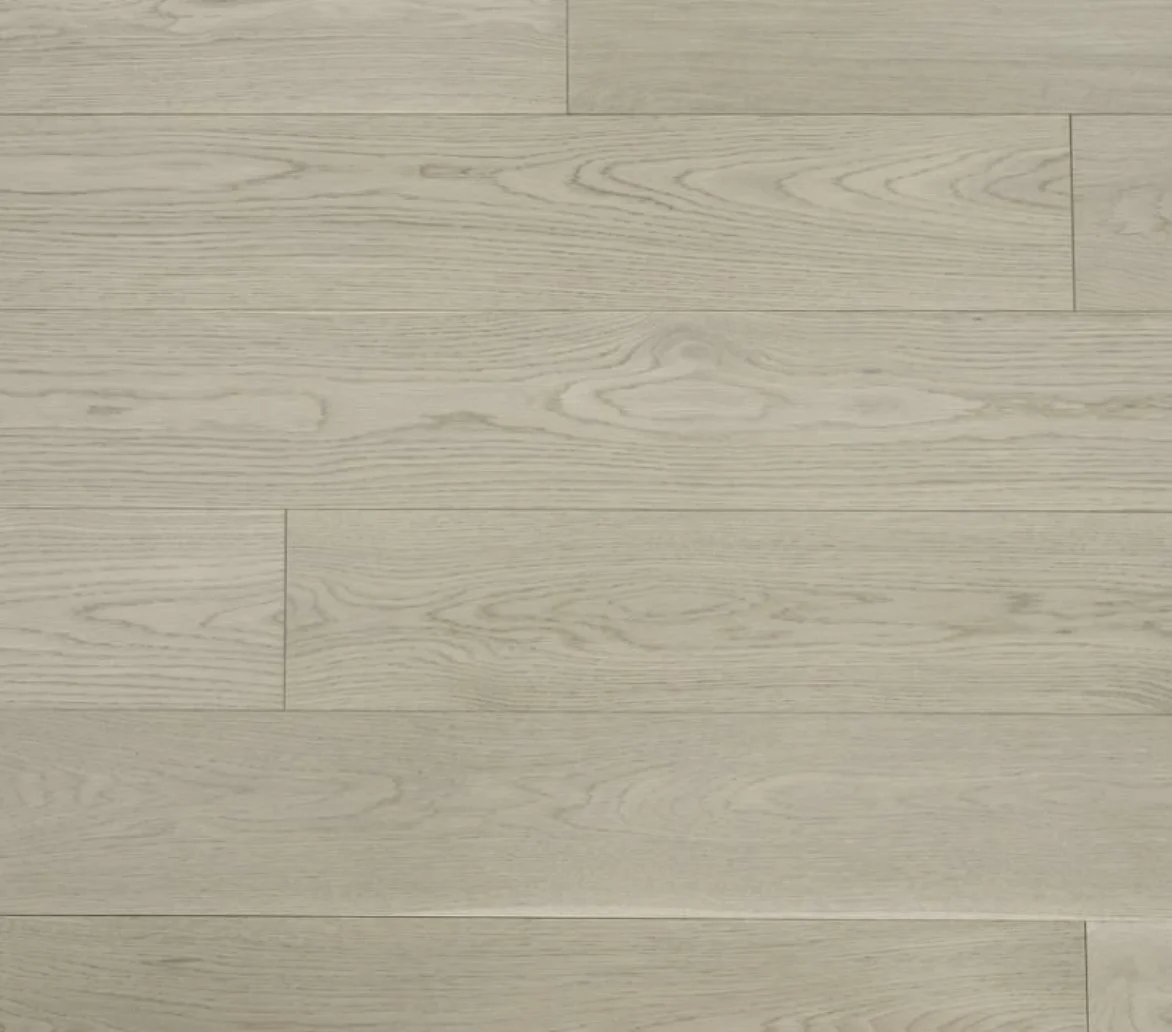

Welcome to Club Ceramic — KW Region’s premier hardwood flooring store for quality wood floors and expert installation.
You’ve hired a contractor, finalized your budget, and you’re ready to transform your home. The demolition starts on schedule. Framing proceeds perfectly. Electrical and plumbing rough-ins finish early. Everything is going according to plan.
Then your contractor asks: “Have you decided on flooring yet?”
You haven’t. You’ve been focused on paint colors, cabinet styles, and light fixtures. Flooring seemed like something you could figure out later—a finish detail to finalize once the “important” decisions were made.
But here’s what most homeowners don’t realize: flooring isn’t a finish detail. It’s a critical structural component that affects every other trade in your renovation.
When you delay flooring decisions, you’re not just postponing one choice—you’re creating a bottleneck that stalls trim carpenters, painters, cabinet installers, appliance technicians, and everyone else waiting to complete their work.
This guide will help you understand:
Your contractor wants you to make informed flooring decisions early so your renovation stays on schedule and within budget. This guide gives you the knowledge to do exactly that.
Most homeowners assume flooring gets chosen sometime in the middle of a renovation—after the “structural stuff” is done but before the final touches. This assumption causes more project delays than almost any other factor.
Here’s the reality: flooring decisions need to happen before your renovation even starts.
Let’s work backwards from your ideal move-in date to understand when decisions need to happen:
Your goal: Move in December 1st
Notice the pattern? For a December 1st move-in, flooring decisions need to be finalized by mid-September—just weeks after your renovation starts.
Homeowners who wait until October or November to choose flooring push their move-in date into January or February.
That beautiful hardwood you saw at the showroom? It might be:
Even “in stock” flooring often means “in stock at the manufacturer’s warehouse”—not at your local supplier. Shipping, receiving, and delivery can add 1-3 weeks even for “available” materials.
Pro tip from your contractor: If your timeline is tight, prioritize in-stock materials from local suppliers. Beautiful flooring that arrives in 10 weeks doesn’t help a project that needs to finish in 8.
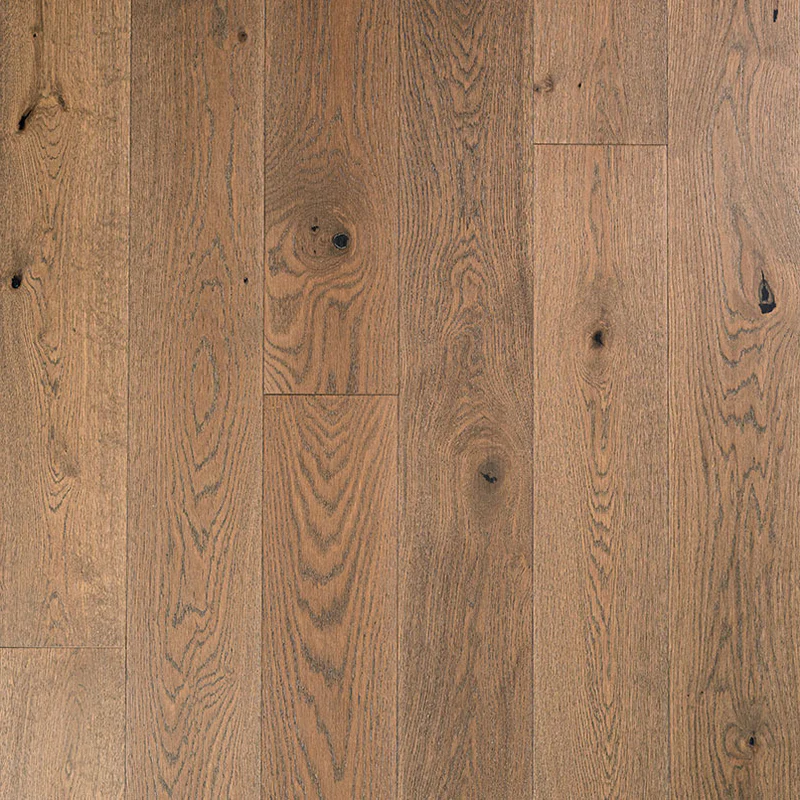
Here’s a conversation that happens on nearly every renovation:
Homeowner: “We’ve decided on solid hardwood throughout the main floor!”
Contractor: “Your basement has a concrete slab with moisture issues. Solid hardwood won’t work there without extensive prep work that’ll add $3,000 and two weeks to the timeline.”
Homeowner: “Why didn’t anyone tell us this before?”
Answer: Because you chose flooring before your contractor could assess subfloor conditions.
Before you fall in love with any flooring material, your contractor needs to assess:
1. Subfloor Type
2. Subfloor Condition
3. Height Considerations
Here’s what actually works with different subfloor conditions:
| Flooring Type | Works on Concrete Slab? | Works on Wood Subfloor? | Moisture Tolerance | Levelness Required |
|---|---|---|---|---|
| Luxury Vinyl Plank (LVP) | Yes | Yes | Excellent (waterproof) | Moderate (forgiving) |
| Engineered Hardwood | Yes (with moisture barrier) | Yes | Moderate (limited water exposure) | High (needs level surface) |
| Solid Hardwood | No (moisture issues) | Yes | Low (no water exposure) | High (needs level surface) |
| Porcelain Tile | Yes | Yes (if structurally sound) | Excellent (waterproof) | Very High (must be perfectly level) |
| Laminate | Yes (with moisture barrier) | Yes | Low (moisture causes buckling) | Moderate |
Concrete Slab: Yes
Wood Subfloor: Yes
Moisture Tolerance: Excellent (waterproof)
Levelness Required: Moderate (forgiving)
Concrete Slab: Yes (with moisture barrier)
Wood Subfloor: Yes
Moisture Tolerance: Moderate (limited water exposure)
Levelness Required: High (needs level surface)
Concrete Slab: No (moisture issues)
Wood Subfloor: Yes
Moisture Tolerance: Low (no water exposure)
Levelness Required: High (needs level surface)
Concrete Slab: Yes
Wood Subfloor: Yes (if structurally sound)
Moisture Tolerance: Excellent (waterproof)
Levelness Required: Very High (must be perfectly level)
Concrete Slab: Yes (with moisture barrier)
Wood Subfloor: Yes
Moisture Tolerance: Low (moisture causes buckling)
Levelness Required: Moderate
The takeaway: Show your contractor your top 2-3 flooring choices BEFORE you commit. They’ll tell you which options are feasible without major additional work.
Sometimes your dream flooring requires significant subfloor work:
Moisture Barrier Installation: $1-2/sq ft, adds 1-2 days
Needed when installing wood products over concrete
Leveling Compound: $2-4/sq ft, adds 2-3 days (plus drying time)
Needed when subfloor has dips, slopes, or unevenness
Subfloor Replacement: $3-6/sq ft, adds 3-7 days
Needed when subfloor has water damage, rot, or structural issues
Radiant Heat Installation: $10-15/sq ft, adds 5-10 days
Optional upgrade, but must be planned before flooring choice
These costs aren’t your contractor trying to upsell you—they’re real requirements for proper flooring installation. Choosing compatible flooring from the start avoids these surprise expenses.
Homeowner: “The website says this luxury vinyl is $5 per square foot. We have 1,000 square feet, so that’s $5,000, right?”
Contractor: “The installed price will be closer to $9,000-$11,000.”
Homeowner: “What? Why?”
This conversation happens because homeowners see material cost but don’t understand total installed pricing.
Here’s what’s actually included in professional flooring installation:
1. Material Cost: $3-12/sq ft depending on quality
2. Installation Labor: $2-8/sq ft depending on complexity
3. Subfloor Preparation: $0-4/sq ft if needed
4. Transitions and Trim: $100-500 total
5. Waste Factor: Add 10-15% to square footage
6. Removal and Disposal: $1-3/sq ft if replacing existing flooring
Project: 1,000 sq ft main floor, mid-range luxury vinyl plank
That “$5/sq ft flooring” actually costs $12.24/sq ft installed when you account for everything.
This isn’t your contractor padding the bill—this is what professional flooring installation actually costs.
Use this framework to estimate total costs:
Entry-Level Renovation ($200-350K home value):
Mid-Range Renovation ($350-550K home value):
High-End Renovation ($550K+ home value):
Always add 15-20% contingency for subfloor surprises. Flooring projects almost always reveal hidden issues once existing floors are removed.

When you delay flooring decisions or choose flooring that arrives late, you’re not just affecting one trade—you’re creating a cascading delay across your entire renovation.
Here’s what can’t happen until flooring is installed:
Baseboard and Trim Installation
Final Paint Touch-Ups
Cabinet Toe Kick Installation
Appliance Installation
Door Installation and Adjustment
Here’s how it compounds:
Week 1-2: Waiting for delayed flooring to arrive
Week 3: Flooring installation (3-5 days)
Week 4: Baseboards installed, painting completed (3-4 days)
Week 5: Cabinets finished, appliances installed, final walkthrough (4-5 days)
A 2-week material delay creates a 5-week project extension once you account for all dependent trades.
Your contractor can’t magically compress this timeline—each trade depends on the previous one being complete.
Before you commit to any flooring material, have clear answers to these questions:
1. “Does this flooring work with our existing subfloor, or will we need additional prep work?”
This is the #1 question that prevents budget surprises. Your contractor should:
Red flag answer: “We’ll figure it out once we rip up the old flooring.”
Good answer: “I’ve assessed your subfloor. This material will work with minor leveling ($800, 2 days) or we can choose this alternative that needs zero prep.”
2. “What’s the realistic lead time for this material, and what’s our backup plan if it’s delayed?”
Supply chains still have disruptions. Your contractor should:
Red flag answer: “The showroom said it’s usually in stock.”
Good answer: “I’ve confirmed with the supplier—this material has a 4-week lead time. We need to order by September 15th to stay on schedule. Here are two alternatives with 2-week lead times as backups.”
3. “When does flooring need to be installed in the project sequence, and what’s the latest we can finalize this decision without affecting the timeline?”
Understanding the critical path helps you prioritize. Your contractor should:
Red flag answer: “Whenever you’re ready is fine.”
Good answer: “Flooring installs in Week 9. Materials need 5 weeks lead time, so we need your decision by Week 4. Any later pushes your move-in date back by at least 3 weeks.”
4. “What’s the total installed cost, including subfloor prep, transitions, and waste?”
Get complete numbers upfront. Your contractor should provide:
Red flag answer: “Material is $5/sq ft, we’ll figure out the rest later.”
Good answer: “Material is $5/sq ft, installation is $3.50/sq ft, prep is $1/sq ft, transitions are $240, and we’re adding 10% for waste. Total installed cost is $10,740 for your 1,000 sq ft.”
5. “How does this flooring choice compare to alternatives in terms of durability, maintenance, and long-term value?”
Your contractor has seen how different materials perform. They should:
Red flag answer: “They’re all pretty similar, just pick what you like.”
Good answer: “LVP is waterproof and nearly indestructible—great with your two dogs. Hardwood looks beautiful but will show scratches from pet nails and needs refinishing in 7-10 years. Based on your lifestyle, I’d recommend LVP in main areas and save hardwood for the bedrooms.”
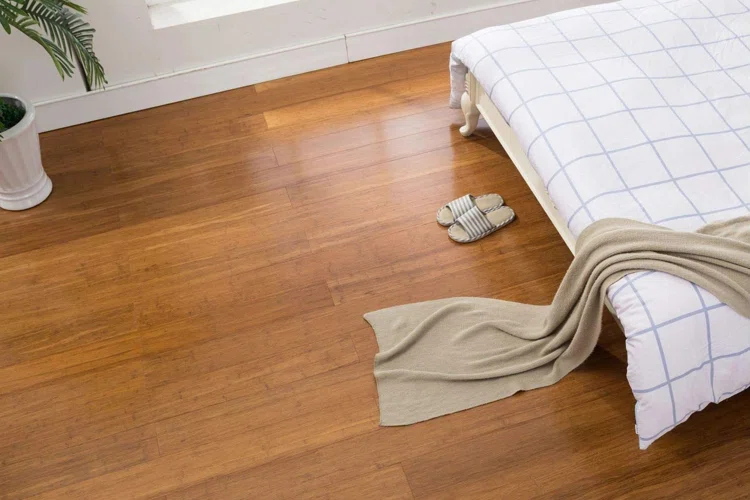
The scenario: You see gorgeous wide-plank hardwood on Instagram. It’s perfect for your design vision. You order it immediately.
What goes wrong: You have two large dogs, three kids under 10, and a kitchen that sees daily cooking. The hardwood shows scratches within months, water damage from spills, and constant wear in high-traffic areas.
How to avoid it: Choose flooring based on lifestyle first, aesthetics second.
Ask yourself:
Match materials to reality:
The scenario: You visit a showroom, love a product, and they say it’s “in stock.” You assume it’ll be at your house in days.
What goes wrong: “In stock” means in stock at the manufacturer’s warehouse—possibly in another province or country. Shipping, receiving, and delivery add 2-4 weeks even for “available” products.
How to avoid it: Ask specific questions about availability.
Ask the supplier:
Get delivery confirmation in writing before your contractor schedules installation.
The scenario: You commit to beautiful tile without knowing your subfloor needs $2,500 in leveling work.
What goes wrong: Your budget is now blown, or you have to choose different (cheaper) flooring to stay within budget.
How to avoid it: Have your contractor assess subfloors before you finalize flooring choices.
Request a subfloor inspection that includes:
Only commit to flooring after you know total installed costs including prep.
The scenario: You think you’ll “just pick something quickly” and end up spending 6 weeks visiting showrooms, debating samples, and changing your mind.
What goes wrong: Your renovation stalls while you deliberate. Your contractor’s schedule gets disrupted. You end up rushing a decision and regretting it.
How to avoid it: Start the flooring decision process early and set firm deadlines.
Use this decision timeline:
Don’t let yourself extend this process indefinitely. Perfectionism in flooring choices delays entire projects.
The scenario: You install beautiful natural hardwood throughout your home. Then you discover it needs special cleaning products, can’t handle water, and requires refinishing every 7-10 years at $3-5/sq ft.
What goes wrong: You love how it looks but hate maintaining it. You resent the ongoing costs and effort.
How to avoid it: Understand maintenance before committing.
Ask about:
Be honest about your maintenance tolerance. Low-maintenance LVP might serve you better than high-maintenance hardwood, even if hardwood is your aesthetic preference.
Homeowners often choose flooring based on upfront cost: “This laminate is $2/sq ft, this LVP is $5/sq ft—let’s save $3,000 and go with laminate.”
But smart homeowners evaluate cost-per-year:
Budget Laminate Example:
Premium LVP Example:
The “expensive” flooring actually costs less per year—and that doesn’t include the hassle of replacing flooring twice during your time in the home.
Budget flooring isn’t always wrong. It makes sense when:
You’re planning to move in 3-5 years:
If you’re not staying long-term, budget flooring gets you through to sale time without major investment.
You’re doing a rental property:
Rental flooring needs to be durable but doesn’t need to be premium. Mid-range LVP ($4-5/sq ft) is the sweet spot.
The space sees minimal traffic:
Guest bedrooms, formal dining rooms, or basement bonus rooms don’t need premium materials.
You’re staging for sale:
You need flooring to look good for showings, not last 20 years. Budget-friendly options work fine.
Budget-Friendly Options Worth Considering:
Premium flooring makes sense when:
This is your forever home:
If you’re staying 15-20+ years, invest in materials that last without replacement.
You have high traffic or challenging conditions:
Families with kids and pets benefit from indestructible premium LVP or hardwood.
Resale value matters:
Premium flooring appeals to buyers and can increase home value $10,000-$30,000.
You want specific aesthetics only premium materials deliver:
Some looks (real hardwood character, natural stone veining) can’t be replicated with budget options.
Premium Options Worth Considering:
For most renovations, mid-range flooring delivers the best value:
Mid-Range Luxury Vinyl Plank ($4-6/sq ft):
Mid-Range Engineered Hardwood ($6-8/sq ft):
Mid-Range Porcelain Tile ($5-8/sq ft):
This range gives you quality materials that last without over-investing in your home’s flooring.
Before choosing flooring, answer these questions honestly (not aspirationally):
Do you:
Your answers determine which materials will serve you well vs. create frustration.
Families with Young Children (Under 12):
Best choices:
Avoid:
Why: Kids drop things, spill constantly, and are hard on floors. You need materials that tolerate abuse and clean easily.
Pet Owners (Dogs and Cats):
Best choices:
Avoid:
Why: Pet nails scratch soft surfaces. Accidents happen. You need waterproof, scratch-resistant materials that clean easily and don’t trap odors.
Empty Nesters/Retirees:
Best choices:
Avoid:
Why: You’re likely staying in your home long-term, maintaining it carefully, and want materials that age beautifully with minimal wear.
First-Time Homebuyers (Planning to Move in 5-7 Years):
Best choices:
Avoid:
Why: You need flooring that lasts through your ownership, looks good for resale, but doesn’t over-improve beyond your home’s value.
High-Traffic Households (Large Families, Frequent Entertainers):
Best choices:
Avoid:
Why: Your floors endure constant use. You need materials designed for commercial durability that still look residential.
Low-Maintenance Preferences:
Best choices:
Avoid:
Why: You want flooring that looks great with minimal effort and no special care requirements.
When you visit flooring showrooms, you’ll hear terms like “in stock,” “quick ship,” “special order,” and “custom.” Here’s what they actually mean:
“In Stock”
“Quick Ship”
“Special Order”
“Custom”
Don’t just ask “Is this in stock?” Ask:
Even “in stock” materials can experience delays:
Always build 1-2 week buffer into your timeline for material arrival. Your contractor schedules installation based on material delivery—late materials delay everything.
The best contractor-homeowner relationships start with clear communication about flooring timelines.
At your kickoff meeting, your contractor should:
You should:
Watch for these warning signs:
Red Flag #1: “Pick your flooring whenever you’re ready, no rush.”
Red Flag #2: “We’ll deal with the subfloor once we rip up the old flooring.”
Red Flag #3: “All flooring costs about the same installed.”
Red Flag #4: “The flooring installer handles everything, I just coordinate.”
Look for these positive signs:
Green Flag #1: “Let’s assess your subfloor before you choose flooring so we know what prep work is needed.”
Green Flag #2: “Here’s your flooring decision deadline. After this date, we’ll need to push your completion timeline back by X weeks.”
Green Flag #3: “I’ve worked with these materials before—here’s how they perform in real homes.”
Green Flag #4: “Let me show you the full installed cost breakdown so you understand where your money is going.”
When you’re struggling with decisions:
When you want to change your mind:
When materials are delayed:
When you have budget concerns:
Your goals:
What to bring to showrooms:
Questions to ask at showrooms:
Your goals:
Testing samples at home:
Getting contractor feedback:
Your goals:
Before you commit:
After ordering:
If you’re overwhelmed by choices:
If you can’t decide between two options:
If your budget is tight:
Whether your contractor handles flooring or you hire a separate flooring installer, get these details in writing:
Material Specifications:
Installation Details:
Subfloor Preparation:
Scope of Work:
Timeline and Delays:
Payment Terms:
Warranty Information:
Manufacturer Material Warranties typically cover:
What manufacturer warranties DON’T cover:
Installer Labor Warranties typically cover:
What installer warranties DON’T cover:
Before installation:
During installation:
After installation:
Avoid contracts that:
Request clarification immediately if you see:
Flooring is one of the most visible, most-used elements in your home. It affects your renovation timeline, your budget, your daily life, and your home’s resale value. Making informed flooring decisions—early in your renovation process—sets you up for success.
1. Start Early Flooring decisions need to happen at the beginning of your renovation, not in the middle. Material lead times, subfloor prep, and installation sequencing all require advance planning.
2. Assess Your Subfloor First Don’t fall in love with flooring materials before your contractor assesses compatibility. Subfloor conditions dictate which materials are feasible and what prep work you’ll need.
3. Understand Total Installed Costs Material cost is only part of the equation. Installation labor, subfloor prep, transitions, and waste all affect your final investment. Get complete pricing before committing.
4. Match Materials to Lifestyle Beautiful flooring that doesn’t match how you live creates frustration. Choose materials based on your real-world needs (pets, kids, traffic) first, aesthetics second.
5. Respect Lead Times “In stock” doesn’t always mean “available tomorrow.” Build realistic timelines that account for material delivery, and always have backup options if your first choice gets delayed.
6. Communicate with Your Contractor Clear, early communication about flooring prevents delays and surprises. Ask questions, share concerns, and meet decision deadlines. Your contractor can’t manage what they don’t know about.
7. Document Everything Get specifications, warranties, and timelines in writing. Keep photos, samples, and invoices. Documentation protects you if issues arise.
If you’re planning a renovation:
At Club Ceramic Cambridge, we understand that flooring decisions feel overwhelming. We work with homeowners and contractors to:
Whether you’re renovating your forever home or preparing a property for sale, we’re here to help you make flooring decisions that serve you well for years to come.
Ready to start your flooring journey? Visit us at Club Ceramic Cambridge or contact us to discuss your renovation project.
About the Author
Hannad Hadid is the owner of Club Ceramic Cambridge, a flooring specialist serving homeowners, contractors, and real estate professionals throughout the Cambridge and Kitchener-Waterloo region. With years of experience helping clients navigate flooring decisions, Hannad understands the intersection of design, durability, budget, and lifestyle that makes flooring choices successful.











We carry hardwood flooring in every finish and style imaginable:







KW Region’s diverse architectural landscape requires flooring solutions that work with various home styles and ages. Our hardwood flooring expertise extends to:
Authentic solid hardwood and period-appropriate finishes that honour the character of the area’s heritage properties while meeting modern durability standards.
Work with us from the planning stages to select hardwood flooring that fits your budget and timeline. We supply builders and contractors throughout the region.
Engineered hardwood solutions that meet acoustic requirements, install over concrete, and provide the elegance of real wood in multi-unit dwellings.
Moisture-resistant engineered hardwood and luxury vinyl options perfect for the region’s below-grade spaces, offering beauty without the worry.
Durable hardwood species and protective finishes that withstand the demands of high-traffic kitchen environments while maintaining their beauty.
High-traffic commercial-grade hardwood and luxury vinyl solutions for businesses, offices, restaurants, and retail spaces.
Southwestern Ontario experiences significant seasonal temperature and humidity variations. We help customers select hardwood flooring products and installation methods that account for Ontario’s climate challenges.
Engineered hardwood, in particular, offers superior dimensional stability for our region, while proper acclimation and professional installation ensure your floors perform beautifully for decades.