Welcome to Club Ceramic Cambridge — your trusted partner for complete premium flooring options in Cambridge, Kitchener, Waterloo, Guelph, and surrounding areas.
If you’re planning a flooring renovation, you’ve likely encountered the terms “vinyl plank” and “vinyl tile” and wondered what sets them apart.
While both are popular, affordable alternatives to traditional hardwood and ceramic tile, understanding their differences can help you make the right choice for your home.
Working on a new home project? Call now for a free estimate: (647) 394-6030
Vinyl plank flooring (LVP) and vinyl tile flooring (LVT) are made from essentially the same materials—they’re both luxury vinyl products designed to mimic natural materials. The primary difference lies in their shape and installation method.
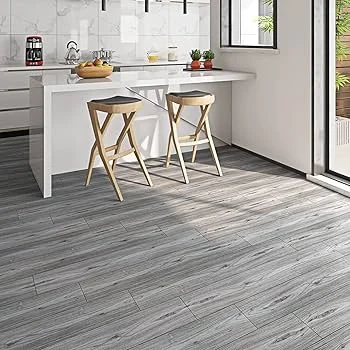
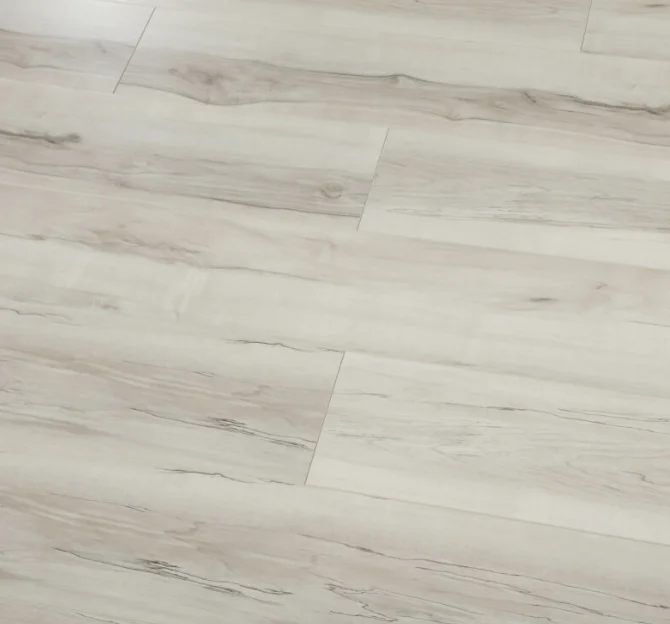
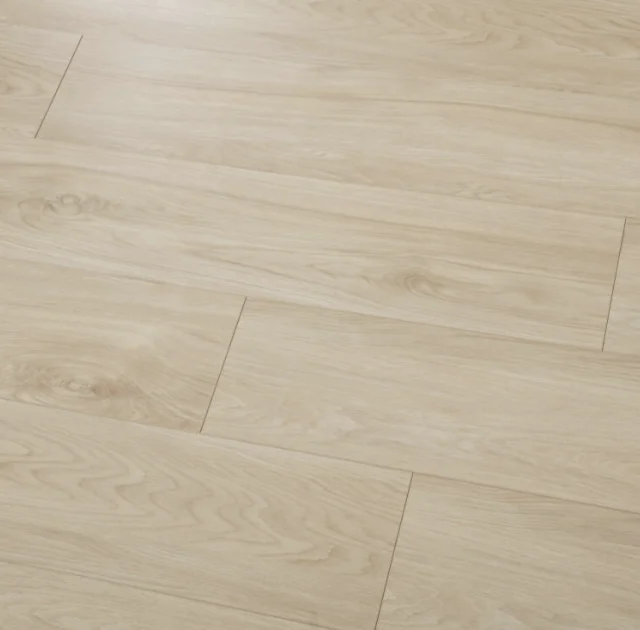
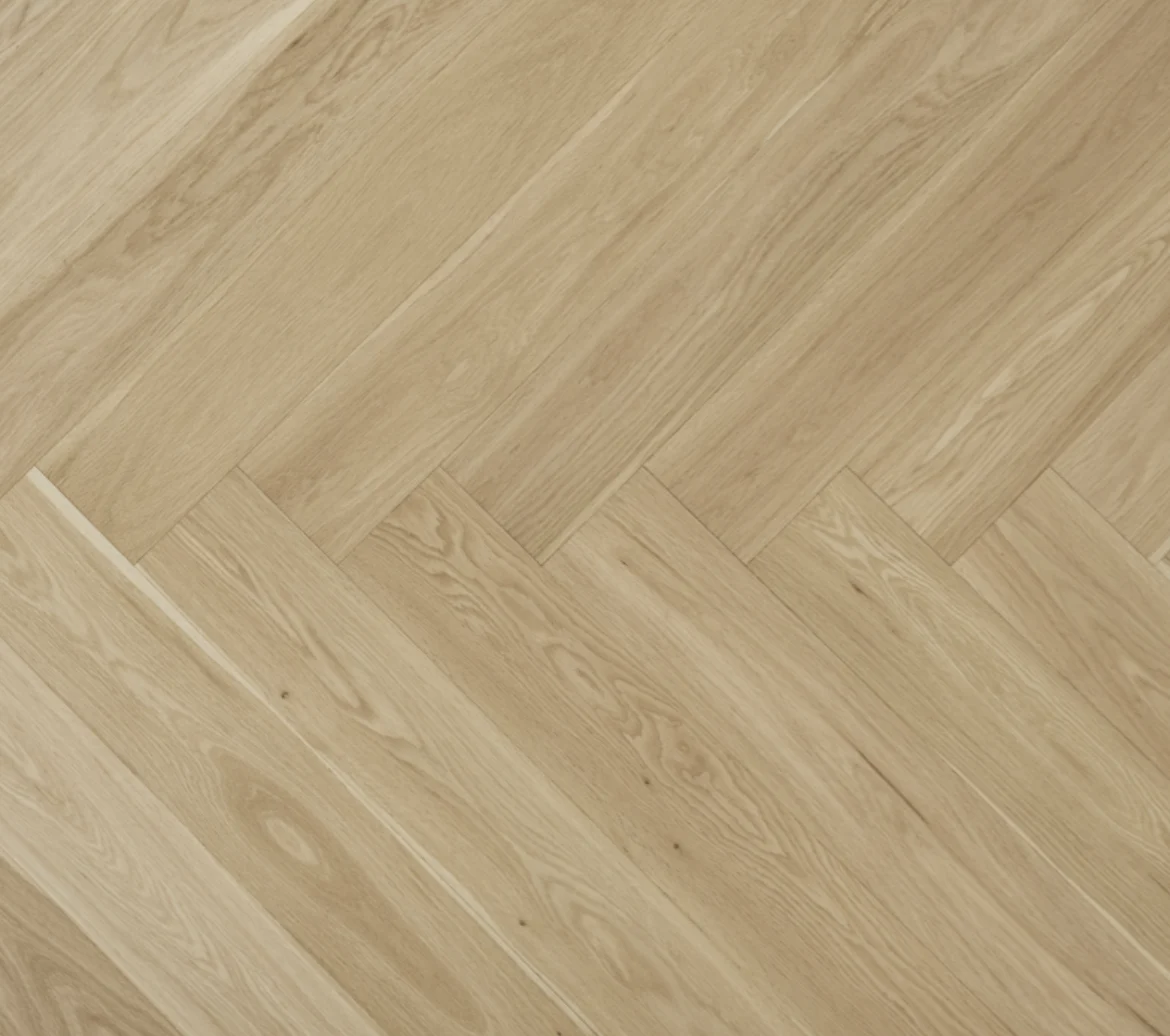
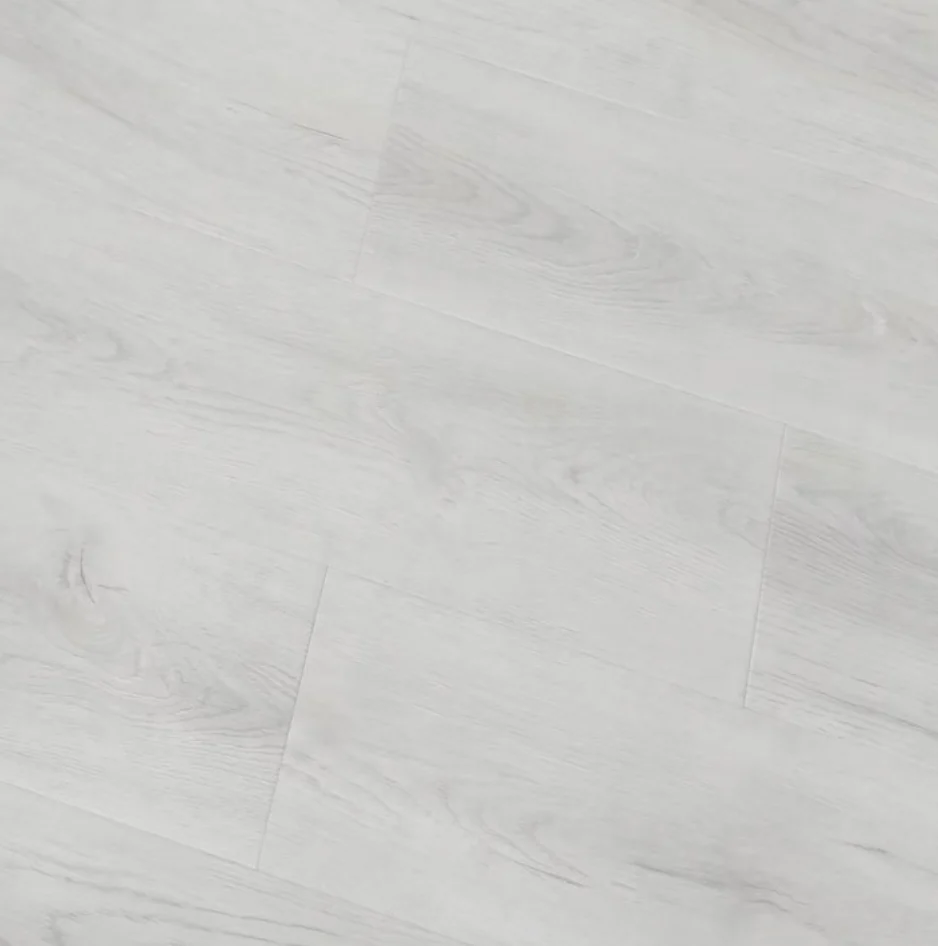
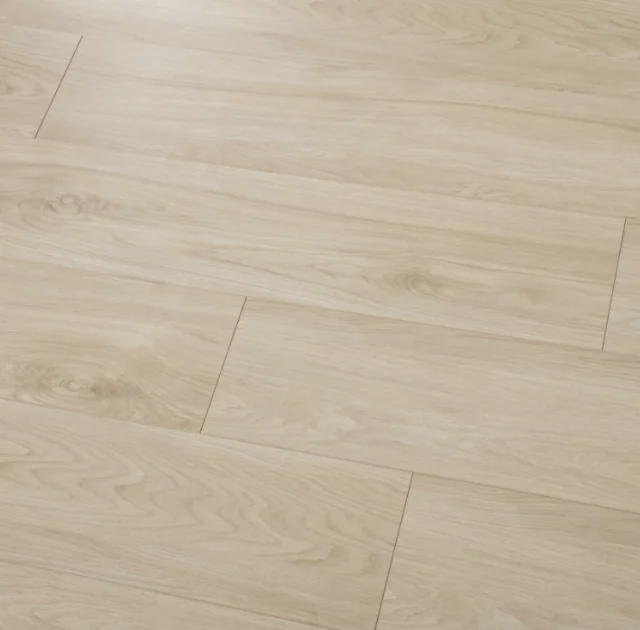
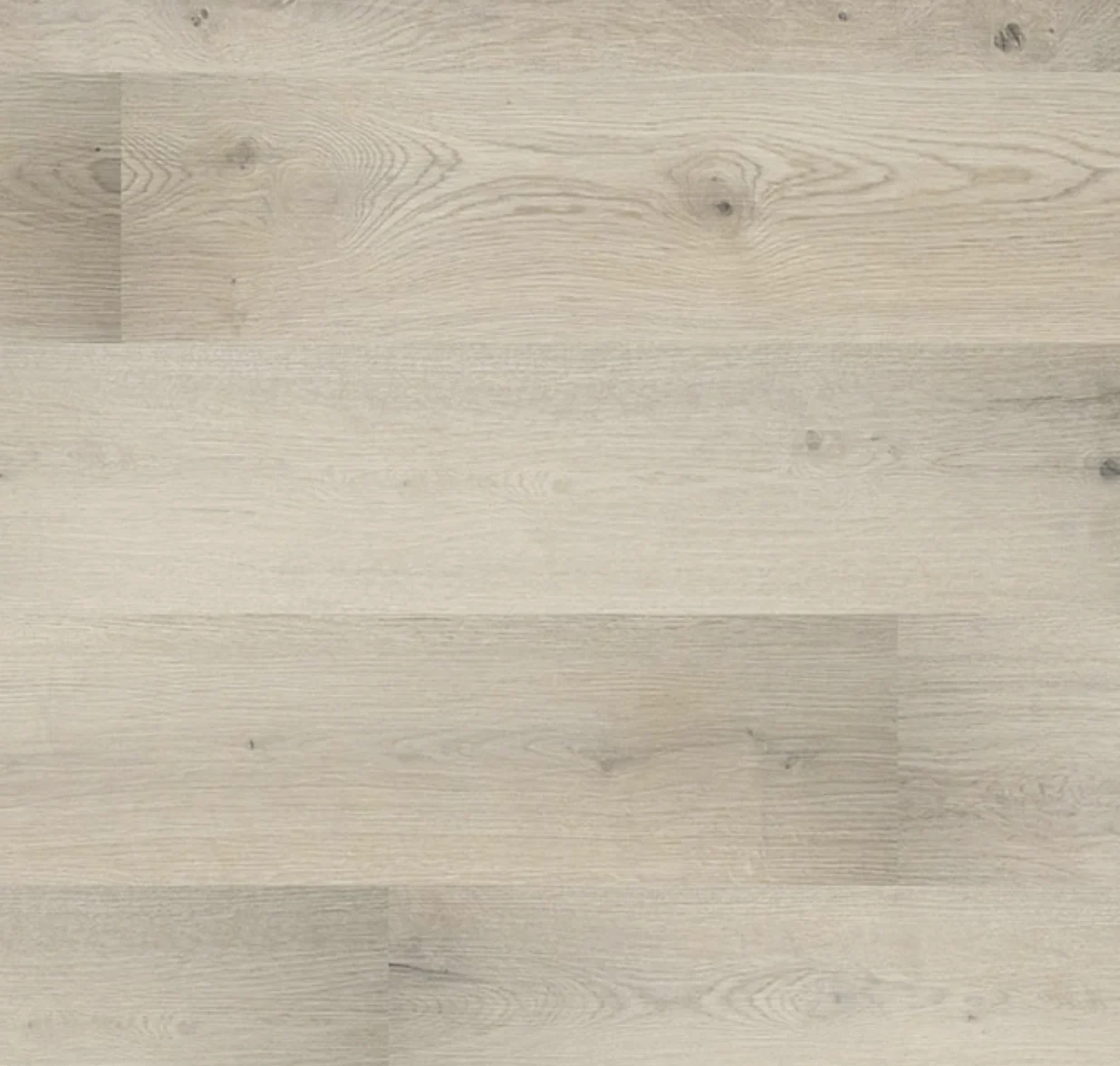
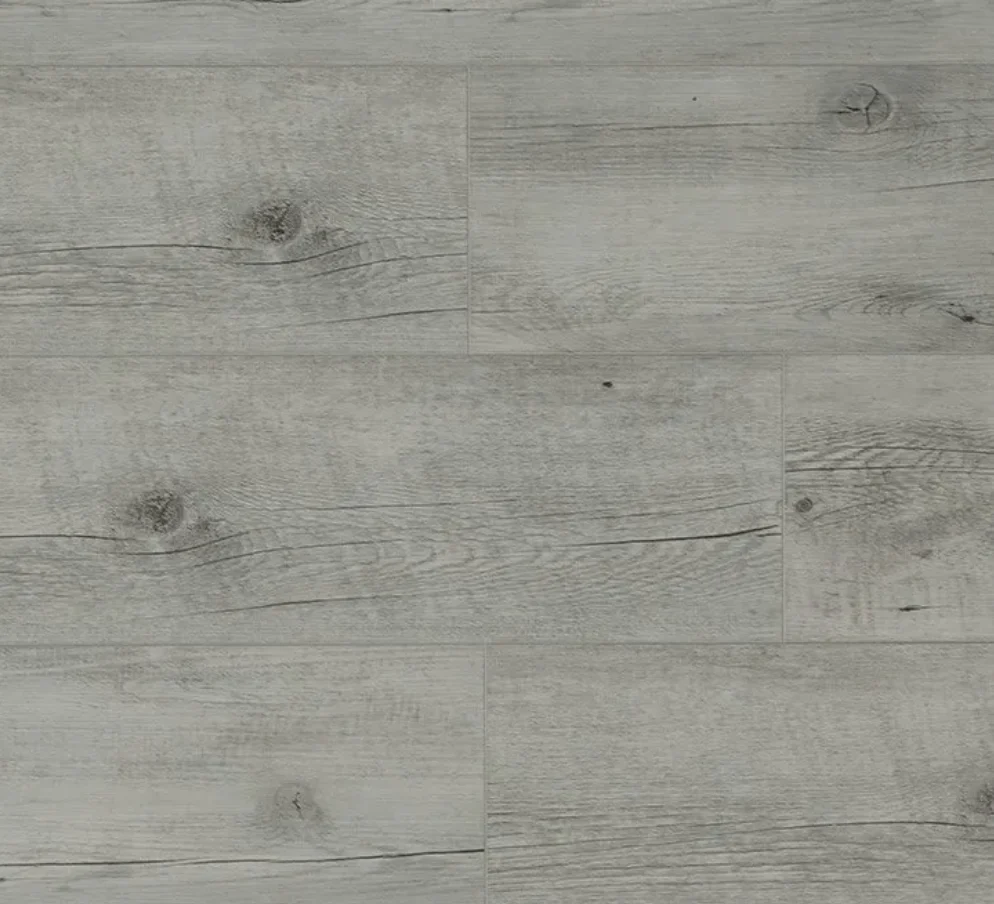
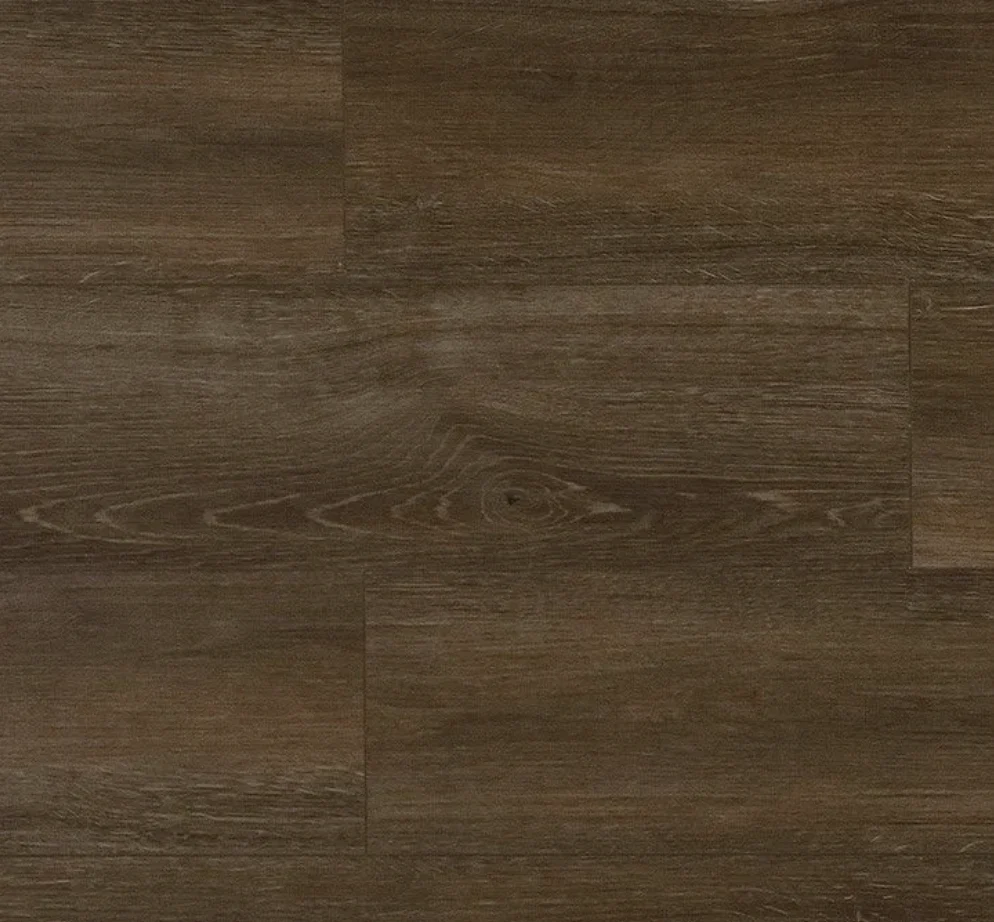
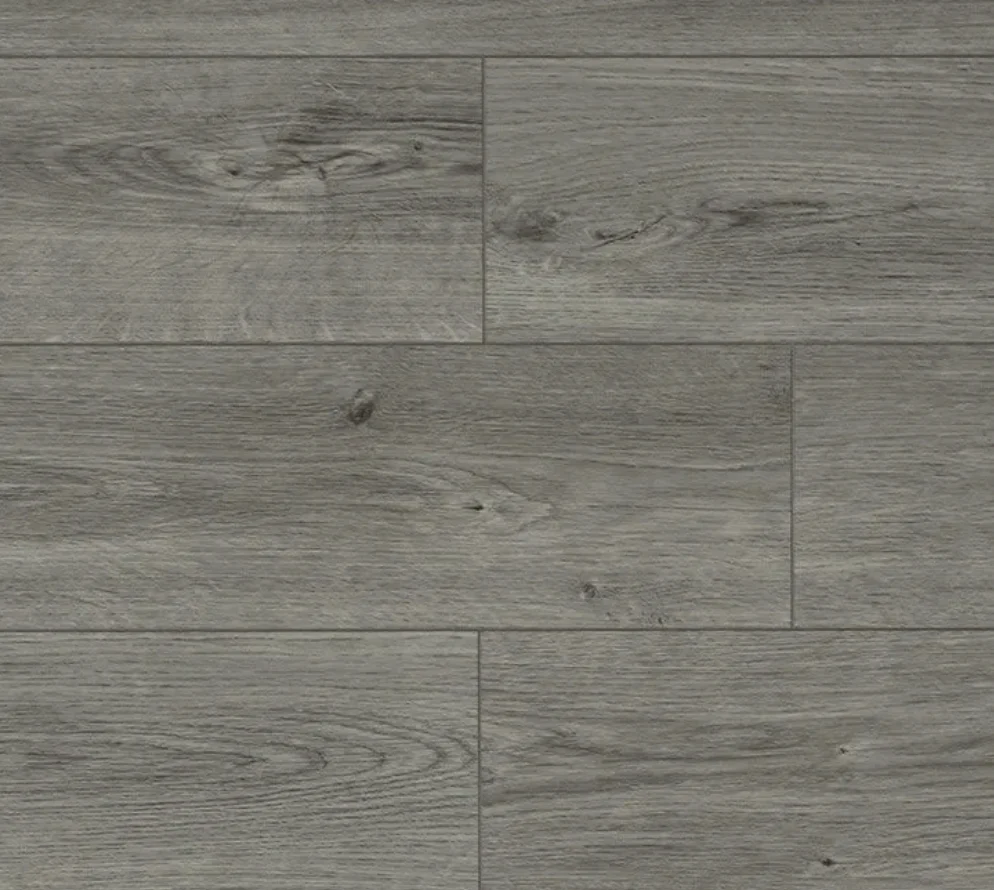
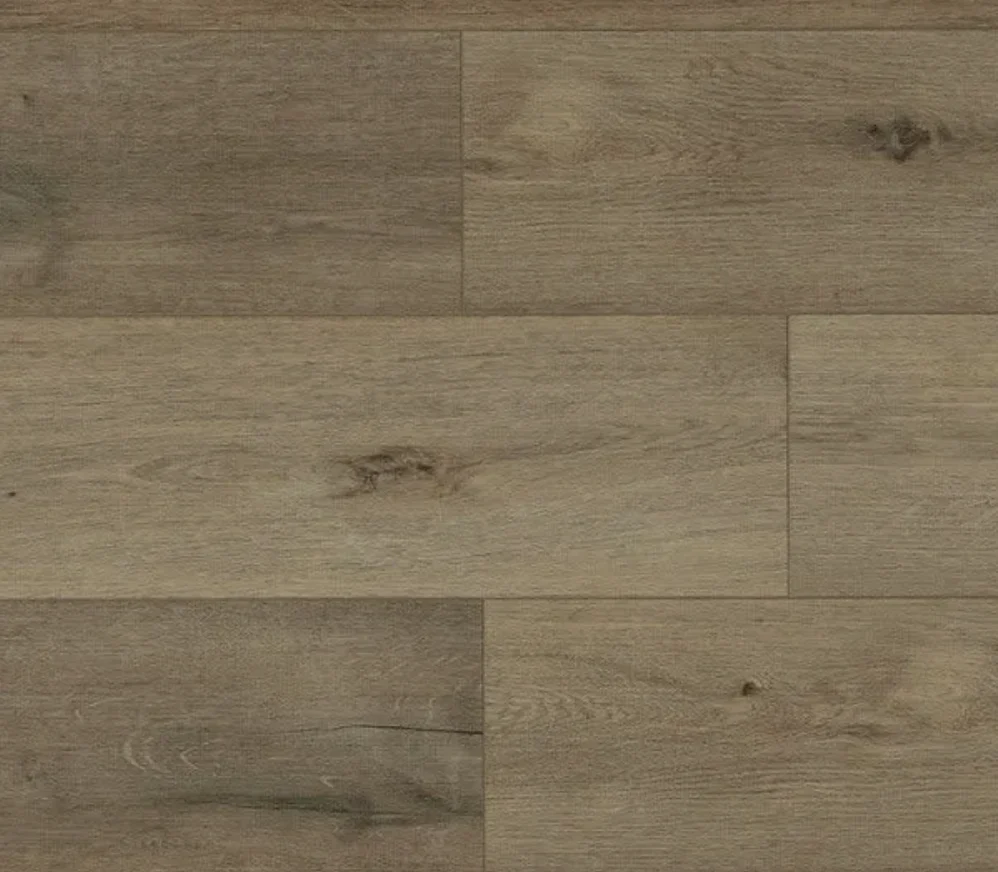
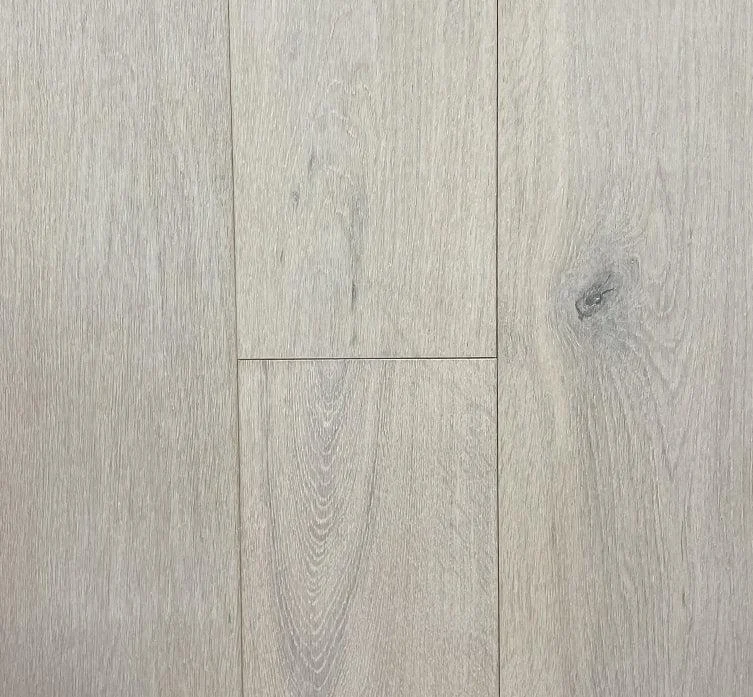
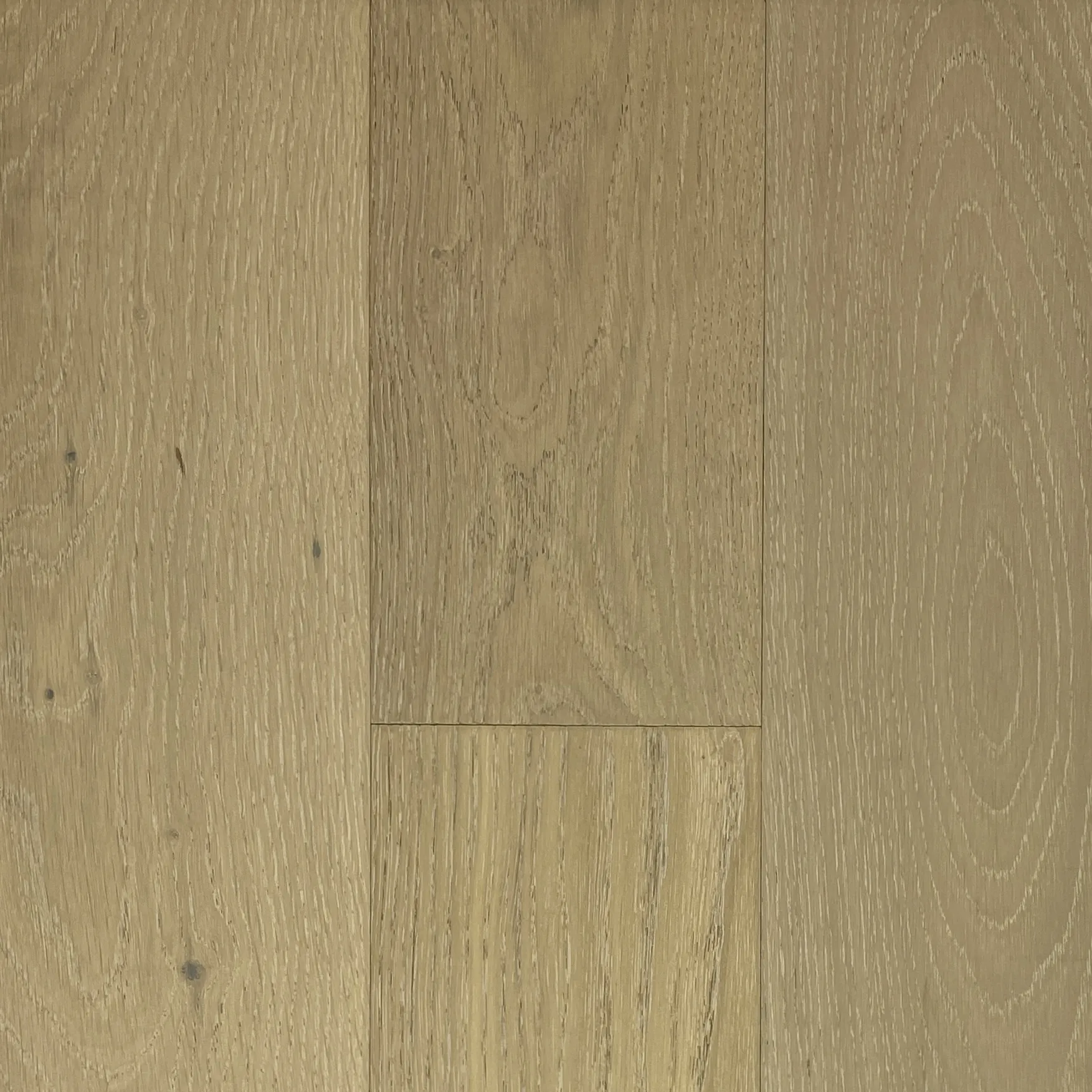
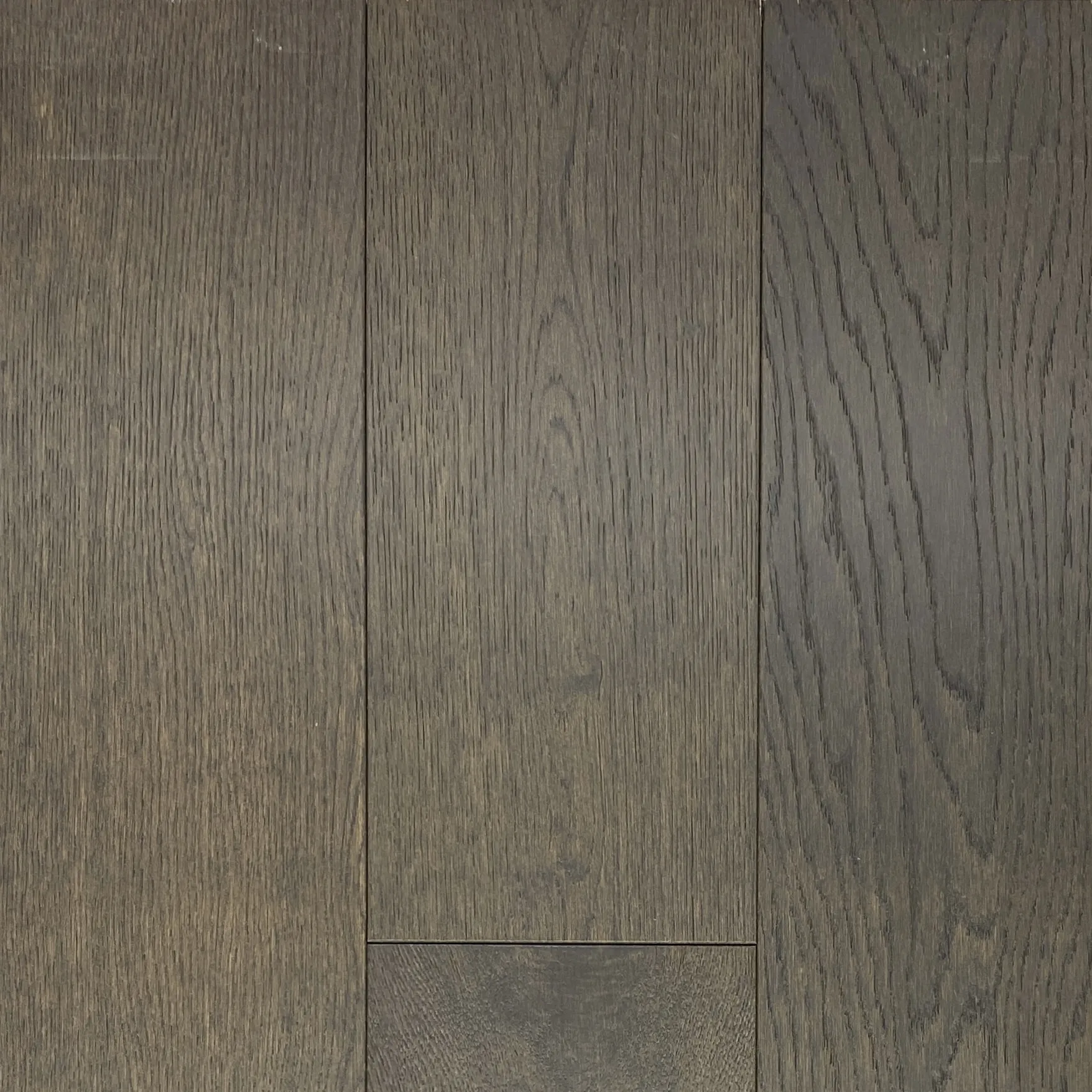
Vinyl Plank (LVP) comes in long, narrow planks that typically measure 36 to 48 inches long and 6 to 9 inches wide. These planks are designed to replicate the look of hardwood flooring, complete with realistic wood grain patterns and textures.
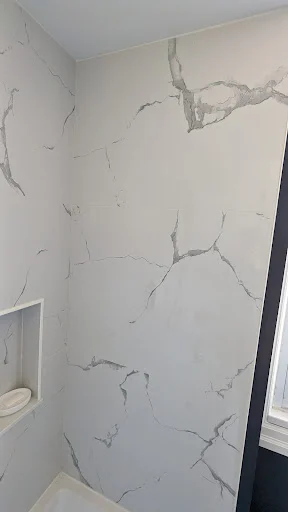
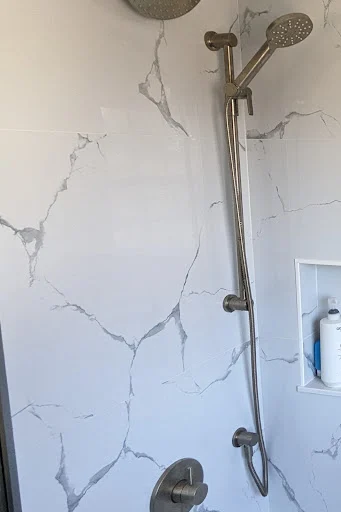
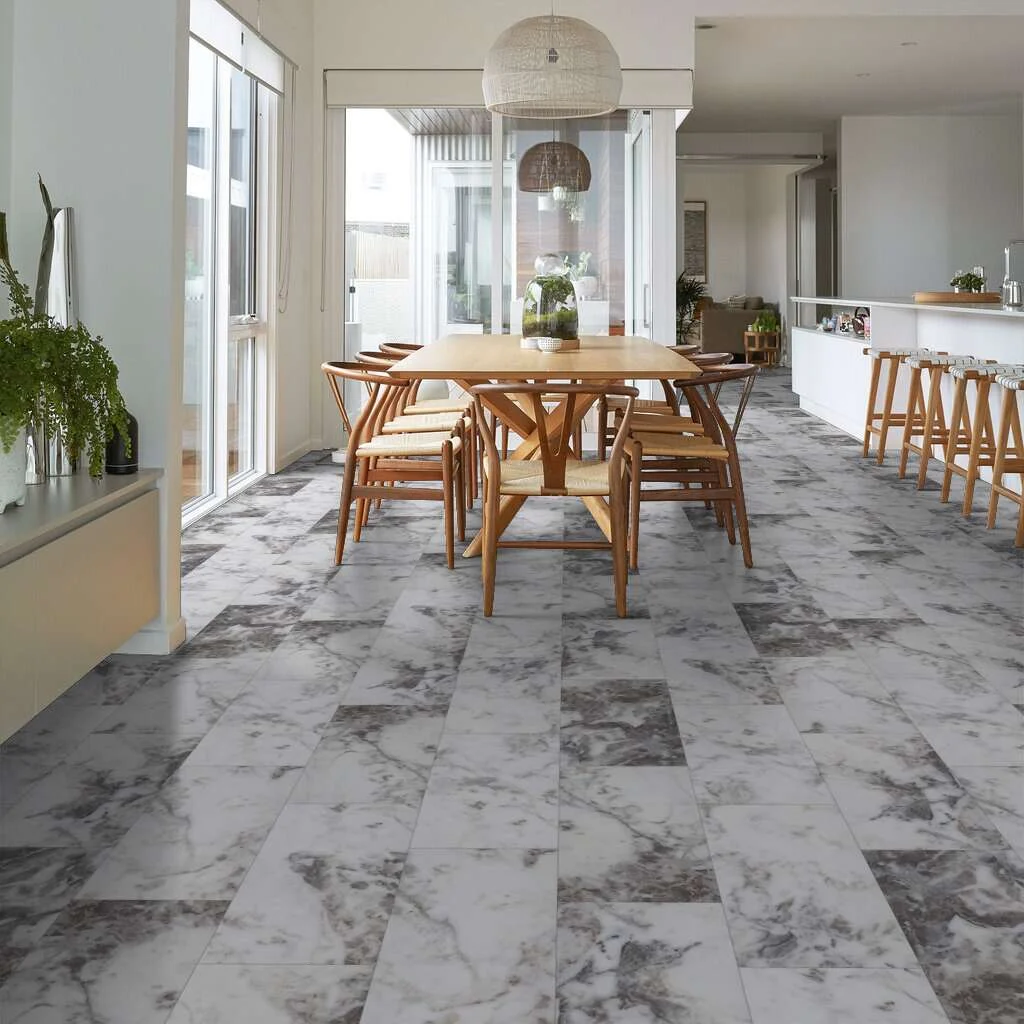
Vinyl Tile (LVT) comes in square or rectangular tile shapes, usually measuring 12×12 inches or 18×18 inches. These tiles can mimic the appearance of ceramic tile, natural stone, or even wood. Some premium brands can even be grouted like traditional tile for an authentic look.
Both products are completely waterproof, making them excellent choices for kitchens, bathrooms, basements, and other moisture-prone areas. However, it’s important to note that while the flooring itself is waterproof, this doesn’t automatically protect the subfloor underneath from moisture damage if water seeps through seams or edges.
Many homeowners also compare vinyl plank flooring with laminate, so it’s worth addressing the differences. While laminate flooring can be less expensive upfront, vinyl plank typically offers better performance in several key areas.
Water Resistance: This is where vinyl shines. True waterproof vinyl can handle spills, splashes, and even minor flooding without sustaining damage. Laminate, despite some manufacturers advertising “waterproof” versions, is only water-resistant for a limited time. If water sits on laminate too long, it can seep into the core and cause swelling, warping, or delamination.
Comfort and Noise: Vinyl plank feels warmer and softer underfoot compared to laminate. Laminate tends to be louder when you walk on it, creating that hollow “clacking” sound, and it feels colder to bare feet—especially noticeable during winter months.
Durability Considerations: Modern laminate does offer excellent scratch resistance, and high-end laminate products can provide a more realistic wood look and feel than their vinyl counterparts. However, vinyl’s flexibility makes it more forgiving on uneven subfloors, while laminate’s rigid construction can crack or chip under stress.
Some flooring professionals report receiving more complaints about vinyl plank cupping (edges curling up) from customers, particularly with lower-quality products or improper installation. That said, choosing the right vinyl product and ensuring proper installation minimizes these issues significantly.


Not all vinyl flooring is created equal. If you’ve decided vinyl is right for your project, here are the key specifications to consider:
Rigid Core Construction: Look for rigid core vinyl rather than flexible vinyl. Rigid core products have a solid plastic composite core that provides superior stability and durability. They’re less likely to dent, telegraph subfloor imperfections, or develop the cupping issues mentioned earlier.
Wear Layer Thickness: The wear layer is the protective coating on top of the design layer. For residential applications, aim for at least 12 mil, but 20 mil or higher is ideal for high-traffic areas or homes with pets and children. Commercial-grade products often feature 28-40 mil wear layers.
Plank Length and Width: Longer planks (48 inches or more) work well in larger rooms and create fewer seams, giving a more cohesive, premium appearance. Wider planks can make small rooms feel larger.
Visual Quality: Look for high grain definition and low pattern repeat. Cheaper vinyl flooring often repeats the same wood grain pattern every few planks, which looks obviously artificial. Better products have dozens of different plank patterns in each box.
Warranty: A lifetime residential warranty with partial commercial coverage indicates the manufacturer stands behind their product’s durability.
One of vinyl flooring’s biggest advantages is its DIY-friendly installation. The floating click-lock systems used in most modern vinyl plank and tile products don’t require adhesives or special tools, making them accessible for first-time installers.
Real-world example: One homeowner with zero flooring experience installed floating LVP throughout their entire 75-year-old house with wonky, uneven floors—completely solo. After more than two years, they reported no problems whatsoever. Living on the Pacific Northwest coast where sand, rain, and mud are constant challenges, their floors still look brand new with just basic cleaning.
That said, success depends on proper preparation and technique. Here’s what you need to know:
The single most important factor for successful vinyl flooring installation is subfloor flatness. This cannot be overstated. Vinyl flooring is relatively thin and flexible, which means it will telegraph every bump, dip, and imperfection in the subfloor.
Invest in a 6 to 8-foot level and check your entire floor area. The industry standard is no more than 1/8 inch variation over 10 feet, but flatter is always better. High spots need to be sanded down, and low spots should be filled with floor leveling compound.
If you’re removing old flooring, you may encounter questions about the existing subfloor. For instance, if you find plywood subfloor stapled to hardwood underneath (common in older homes), should you remove it? As long as the plywood is flat, secure, and in good condition, you can typically leave it in place. Removing it creates extra work and potential for damaging the hardwood beneath. Just ensure all staples are flush or countersunk, and patch any gaps or damaged areas.
Remove all debris, old adhesive, drywall mud splatters, and paint drips. A chisel works well for stubborn spots. Small divots from old carpet tack strips are generally acceptable, but anything larger should be patched with floor patch compound.
These insights from experienced installers can save you significant frustration:
First Row Foundation: Your first row is critical—everything else builds from it. Some installers rip vinyl planks to 2 inches wide and use these as spacers along the starting wall. This provides 100% support along that wall, which helps prevent shifting as you add subsequent rows and tap them into place.
Cleanliness Matters: Brush or vacuum the edges of both boards before joining them. The tiniest speck of debris—a grain of sand, a wood chip, even dust—can prevent the locking mechanism from engaging properly, leaving visible gaps. Vacuum the subfloor just before laying each piece.
The Stubborn Plank Problem: Occasionally, a plank simply won’t lock together properly no matter how hard you tap it. This happens roughly one out of every ten planks. If you can’t find debris on the edge causing the issue, set that plank aside and try another one. The problematic plank will usually work fine somewhere else in the installation.
Plan Your Layout: Lay out each row lengthwise before locking it down to ensure the last piece won’t be shorter than 8 to 10 inches. Do the same across the room’s width to avoid ending up with a final row less than 3 to 4 inches wide. Both situations look unprofessional and can compromise the locking system’s integrity.
The Tapping Block Technique: Always maintain downward pressure on the tapping block when striking it with your mallet. The block tends to jump when hit, which can break the locking strip or damage the floor’s surface. Also, tape the bottom of your pull bar tool—many installers have accidentally scratched planks when striking the tool with a mallet.
Reversible Mistakes: You can remove and reposition planks as long as you don’t tap the short end down into the previous plank. The long edge connection is reusable, but once you lock the short edge, you’ll destroy both planks if you try to separate them.
Wall Spacers: Use spacers to maintain expansion gaps along all walls (typically 1/4 inch). Tape these spacers to the wall rather than just setting them in place. Since the entire floor floats, it can shift during installation and move your spacers out of position.
Transition Strips: Don’t try to make your entire house one continuous installation. Create breaks at natural transition points like hallway ends and bedroom doorways, covering these with transition strips. This allows each section to expand and contract independently and looks more professional.
Professional Finishing Touches: Remove baseboards before installation and reinstall them afterward to cover expansion gaps. Use an oscillating multi-tool to undercut door jambs so planks can slide underneath for a seamless look.

Cupping: Vinyl plank edges can curl upward, especially with lower-quality products or when installed over uneven subfloors. Prevent this by choosing rigid core products, ensuring a perfectly flat subfloor, and following manufacturer installation instructions precisely, especially regarding expansion gaps and acclimation time.
Scratching: Vinyl is more susceptible to scratching than laminate or ceramic tile. Heavier wear layers (20 mil+) provide better scratch resistance. Use furniture pads, avoid dragging heavy items across the floor, and keep pet nails trimmed. Regular sweeping prevents dirt and sand from acting like sandpaper underfoot.
Pattern Repetition: Cheaper vinyl products have obvious pattern repeats that scream “fake wood.” This is purely aesthetic but impacts your home’s overall appearance. Spending a bit more for better visual variety pays dividends in authenticity.
Gaps Between Planks: Usually caused by debris in the locking mechanism or improper installation technique. Meticulous cleaning during installation prevents most gap issues.
While vinyl flooring offers excellent value and performance, ceramic tile remains the gold standard for certain applications. Here’s when you might want to choose ceramic over vinyl:
Lifetime Durability: Quality ceramic tile can last 50+ years or even a lifetime with proper care. It won’t scratch, dent, or show wear patterns no matter how much traffic it receives. Vinyl, even premium products, typically needs replacement after 15-25 years.
Authentic Appearance: Despite improvements in printing technology, vinyl still can’t match the depth, variation, and authenticity of real ceramic or porcelain tile. There’s no pattern repeat with genuine tile—every piece is unique.
No Cupping or Warping: Properly installed ceramic tile won’t cup, warp, or develop edge issues over time. It’s completely dimensionally stable regardless of temperature or humidity changes.
Resale Value: High-quality tile installations often add more to home resale value than vinyl flooring. Buyers perceive tile as a premium material.
Heat Resistance: Ceramic tile is completely impervious to heat, making it ideal near fireplaces, wood stoves, or for radiant floor heating systems. While some vinyl products are rated for radiant heat, they have temperature limitations.
The tradeoff? Ceramic tile costs more upfront, requires professional installation for most homeowners, feels harder and colder underfoot, and is less forgiving if you drop dishes or glasses on it.
Both vinyl plank and vinyl tile offer excellent value for budget-conscious homeowners tackling DIY renovations. The choice between LVP and LVT largely comes down to the look you want to achieve—wood-look planks or tile-look squares.
For most applications, vinyl plank edges out vinyl tile in popularity due to its wood aesthetic, easier installation (fewer pieces to place), and the perception of a more upscale appearance. However, vinyl tile excels in smaller spaces like bathrooms or entryways where the square format fits better and creates interesting pattern possibilities.
If you’re installing 400 square feet or less, tackling the project yourself is entirely feasible over a weekend or two. Proper preparation makes all the difference between a professional-looking result and a disappointing outcome.
Choose rigid core products with robust wear layers, take your time with subfloor preparation, follow the installation tips outlined above, and you’ll enjoy beautiful, durable flooring for years to come—whether you choose vinyl plank, vinyl tile, or decide to invest in timeless ceramic tile instead.
Ready to start your flooring project? Visit Club Ceramic Cambridge to explore all your options, from luxury vinyl to premium ceramic tile, and get expert advice tailored to your specific needs and budget.