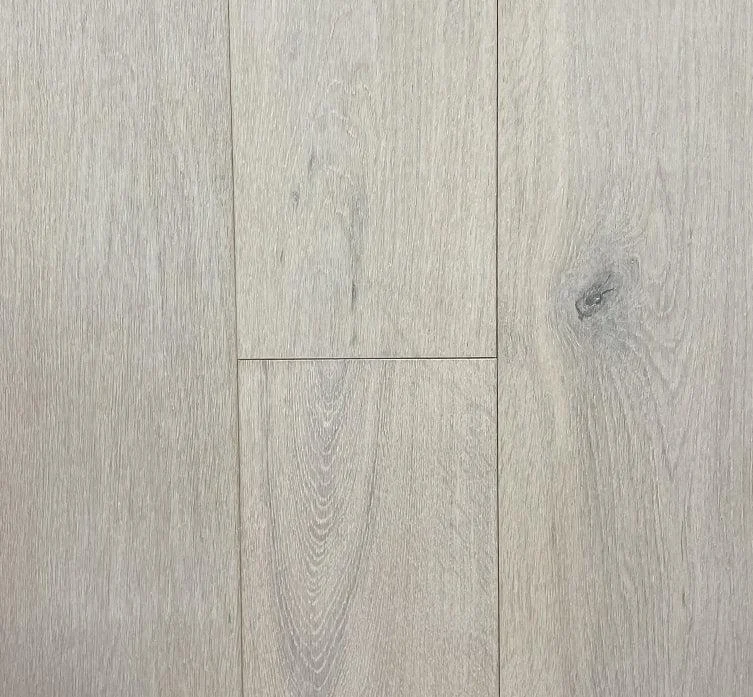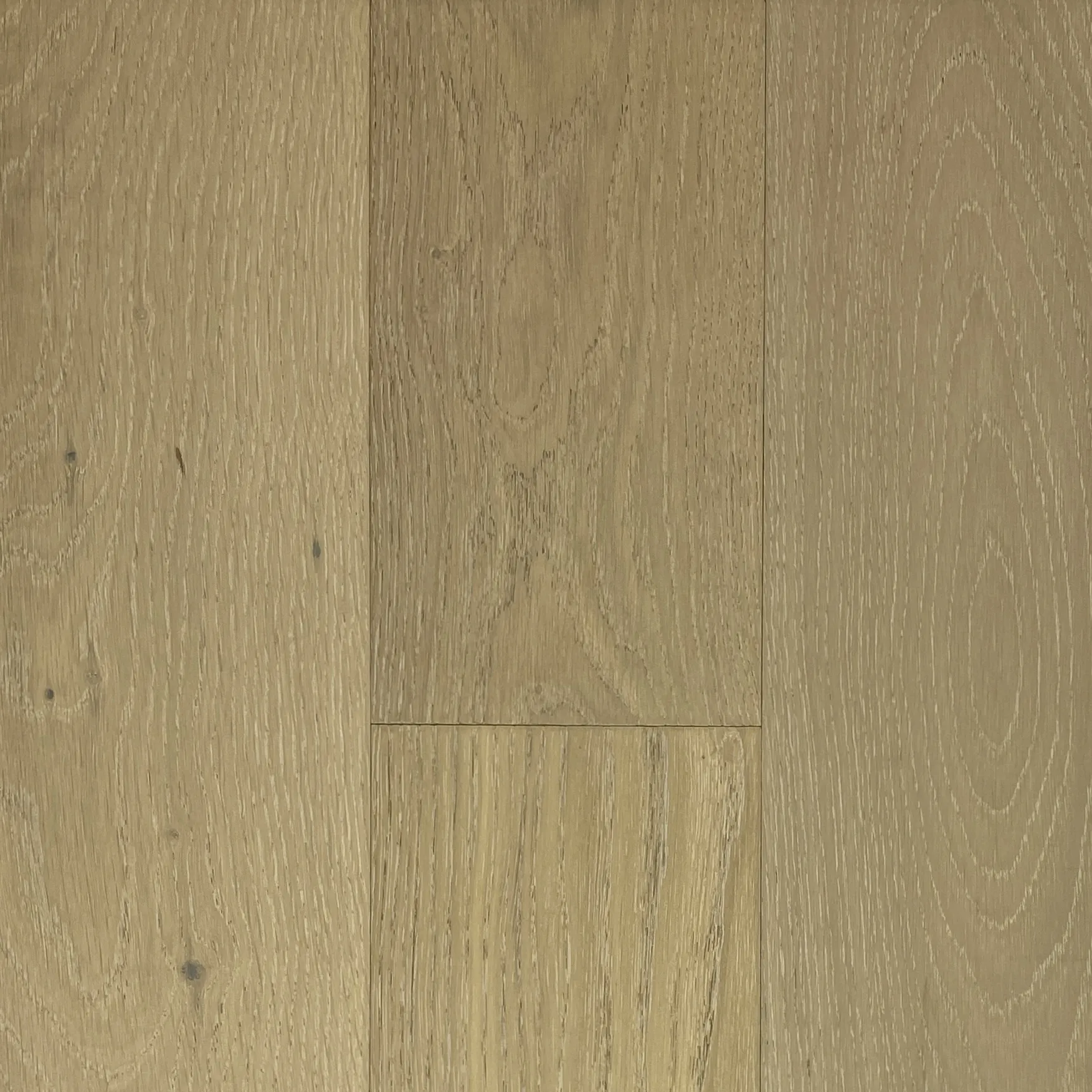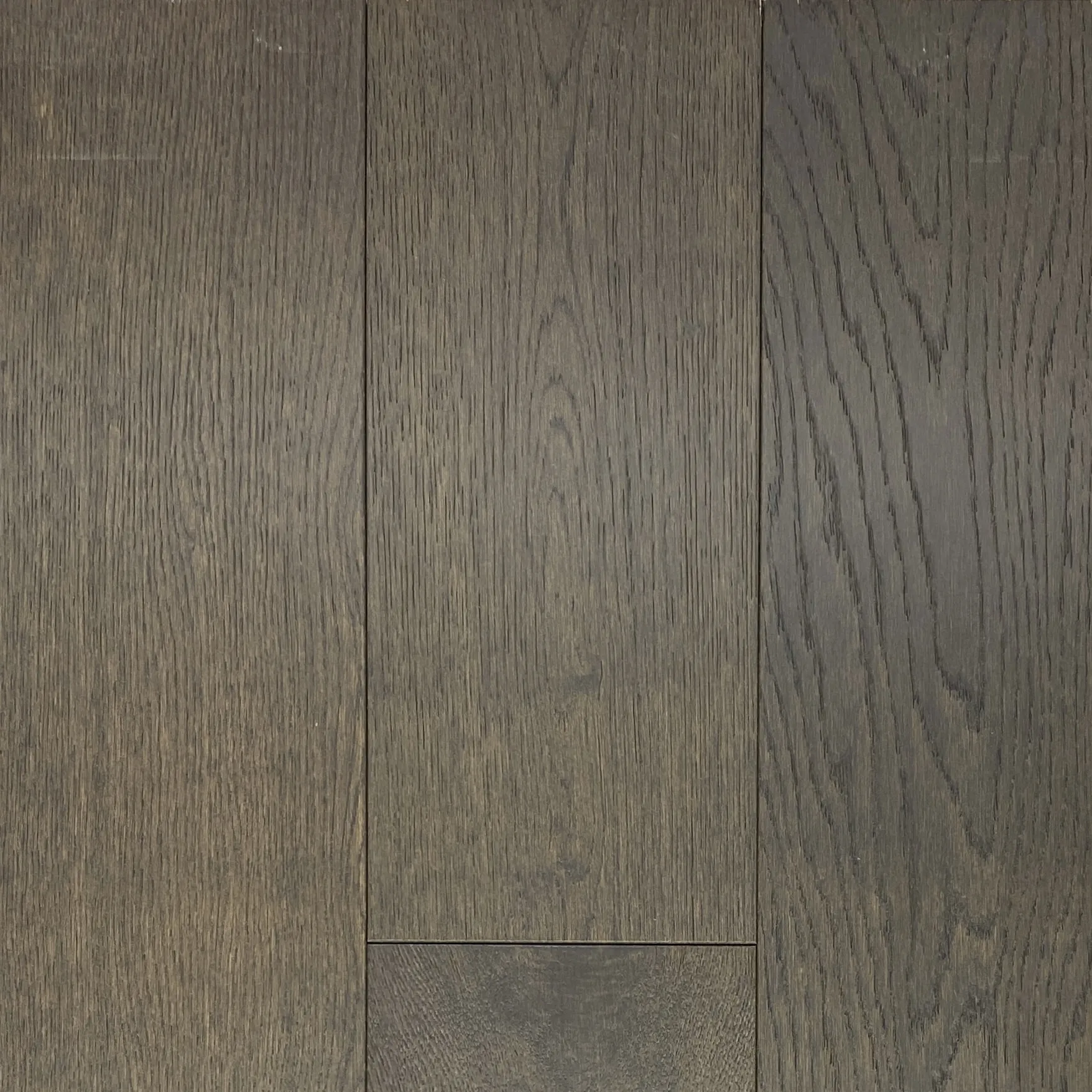

Welcome to Club Ceramic Cambridge — your trusted partner for complete premium flooring options in Cambridge, Kitchener, Waterloo, Guelph, and surrounding areas.
Student rentals in Waterloo turn over every 8-12 months. Your floors don’t get a break—but your budget needs one.
Managing student rental properties near the University of Waterloo and Wilfrid Laurier University presents a unique challenge that sits somewhere between residential and commercial property management.
With over 60,000 students creating massive rental demand across Cambridge, Kitchener, and Waterloo, the market opportunity is substantial. But student housing operates under different rules than traditional rentals, and nowhere is this more apparent than with flooring.
The average student rental sees 80-100% annual turnover compared to 20-30% in traditional residential properties. Each lease cycle brings two moving periods—move-in and move-out—multiplying the wear and tear exponentially.
Add constant foot traffic from multiple roommates, frequent furniture rearrangement, party wear-and-tear, and a general lack of maintenance awareness, and you have an environment that destroys standard residential flooring in a fraction of its expected lifespan.
Yet landlords operate on thin margins. Student rental rates remain competitive, typically ranging from $600-800 per room monthly in Waterloo Region.
A four-bedroom house generating $2,400-3,200 monthly must cover property taxes, utilities, maintenance, insurance, and mortgage payments while remaining profitable.
There’s little room for flooring that fails prematurely or requires constant repair. This guide helps landlords, property managers, and real estate investors make informed flooring decisions that balance upfront costs with long-term durability, maintain marketability for annual lease-ups, and ultimately protect the bottom line in Waterloo Region’s competitive student housing market.
Working on a new home project? Call now for a free estimate: (647) 394-6030
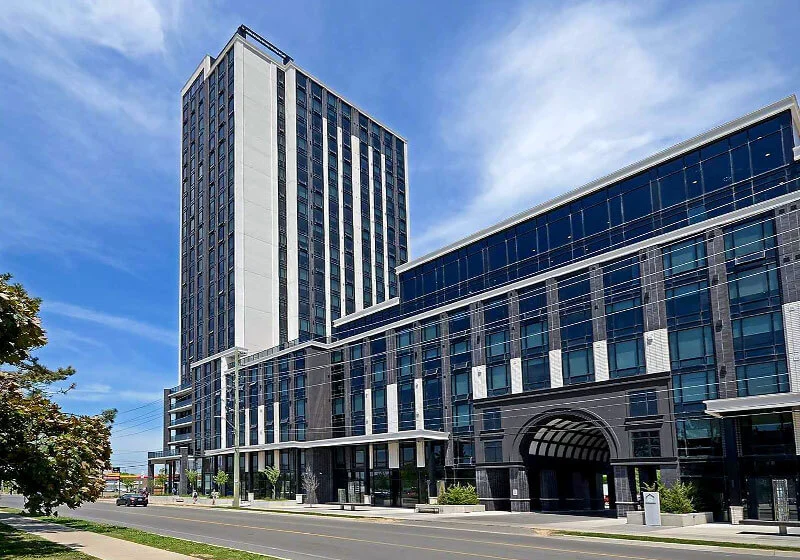
Waterloo Region stands as one of Canada’s largest student housing markets. The University of Waterloo enrolls approximately 42,000 students, while Wilfrid Laurier University adds another 20,000. Combined with Conestoga College campuses throughout the region, over 60,000 students require housing annually—and the majority live off-campus in private rental properties.
Peak leasing season runs from January through March for September move-ins, creating intense competition among landlords to secure quality tenants. Properties that show well during this critical window lease quickly at premium rates. Those that appear worn or dated sit vacant or require price reductions to compete.
The student rental cycle follows the academic calendar. Most leases run from May 1 to April 30, though September to August leases are increasingly common. This predictable turnover pattern means landlords know exactly when units will be vacated and must be turned over—typically the hectic May through August period when everyone is competing for contractors, cleaners, and maintenance workers.
Understanding this annual rhythm is essential for flooring decisions. Unlike traditional rentals where flooring might last 10-15 years with the same careful tenant, student rentals put floors through 10-15 complete tenant turnovers in that same timeframe. Each turnover multiplies the damage potential exponentially.
Occupancy intensity in student housing far exceeds typical residential use. A four-bedroom student house doesn’t have four occupants—it effectively has a rotating cast of 12-20 people including roommates, friends, study groups, and social gatherings. Common areas like kitchens and living rooms see continuous use from early morning until late night.
Lifestyle factors unique to student living create specific flooring challenges. Students move furniture frequently, experimenting with room arrangements and rearranging shared spaces for different uses. They lack homeownership experience and often don’t understand basic maintenance like promptly cleaning spills, using furniture pads, or reporting small problems before they become major issues.
Budget constraints mean students are often less careful with property than they might be in their family homes. When your parents own the house, you care about the carpet. When you’re paying $650 monthly for eight months, the investment in the property’s long-term condition feels abstract—especially when you’ll be moving out soon anyway.
Property management challenges multiply in student housing environments. The annual turnover requires rapid unit turns during the competitive summer period. Deferred maintenance compounds quickly because problems often go unreported until move-out inspections. Marketing pressure is intense—properties must look fresh and modern in photos to compete, yet they experience far more wear than traditional rentals.
Let’s examine the mathematics that constrain student rental flooring decisions. A typical four-bedroom student rental in Waterloo generates $2,400-3,200 gross monthly income. Annual gross income reaches $28,800-38,400 before expenses.
Property taxes in Waterloo Region average $4,000-6,000 annually for typical student rental properties. Utilities (water, gas for heat) often run $2,400-3,600 annually even when students pay electricity. Insurance for student rental properties (higher risk classification) costs $1,500-2,500 annually. Maintenance and repairs average 10-15% of gross income—$2,880-5,760 annually. Property management fees (if used) consume another 8-10% of gross income.
After operating expenses but before mortgage payments, net operating income typically reaches 40-50% of gross income. On a $30,000 gross income property, that’s $12,000-15,000 available for mortgage payments and profit. When flooring fails prematurely and requires $4,000-6,000 emergency replacement, it consumes 25-50% of an entire year’s net operating income.
This economic reality means flooring decisions cannot be made on initial cost alone. A $3 per square foot flooring system that lasts three years costs $1 annually per square foot. A $5 per square foot system lasting ten years costs just $0.50 annually per square foot—half the annual cost despite the higher upfront investment. Smart landlords understand this lifecycle cost analysis and choose flooring accordingly.
Consider a common scenario that plays out across Waterloo student housing annually. A landlord installs standard residential carpet in a four-bedroom student house in 2020. The 1,200 square foot unit receives carpet costing $3 per square foot installed—a $3,600 total investment. The carpet manufacturer rates the product for 8-10 years in normal residential use.
By 2024, after just four years and four tenant turnovers, the carpet shows severe wear. High-traffic areas are matted and worn through to backing. Kitchen transition zones are stained beyond professional cleaning. Bedrooms have mysterious discoloration that no amount of spot treatment removes. The smell is noticeable despite professional cleaning after each tenant.
The landlord faces a decision: list the property with worn, stained carpet and accept lower rent or delayed leasing, or replace the carpet now—four years before the expected replacement date. Emergency carpet replacement costs another $3,600. Total flooring cost over those four years reached $7,200 instead of the planned $3,600—exactly double the budget.
This scenario repeats across thousands of student rental properties because landlords underestimate the difference between standard residential use and student rental intensity. The carpet was perfectly adequate for a family who would have lived there for eight years. It was wholly inadequate for four consecutive groups of students generating exponentially more wear.
Direct replacement costs tell only part of the story. Poor flooring choices create cascading economic impacts throughout the property’s operation.
Vacancy costs emerge when properties with dated or worn flooring photograph poorly and generate fewer leasing inquiries. The peak March-April student leasing season is ruthlessly competitive. Properties that show well with modern finishes and clean floors lease within days. Those with obvious deferred maintenance sit for weeks or months. Each additional week of vacancy costs $600-800 in lost rent on a four-bedroom unit—often exceeding the cost difference between cheap and quality flooring.
Reduced rental rates compound the problem. When your property shows poorly compared to competitor listings, prospective tenants use this as negotiating leverage. Instead of commanding $750 per room, you accept $700 to fill the unit. Over a twelve-month lease across four bedrooms, that $50 monthly reduction costs $2,400 in lost income—approaching the cost of quality flooring installation.
Maintenance labor drains resources throughout the lease term. Cheap or inappropriate flooring generates constant tenant complaints about stains, damage, odors, or deterioration. Property managers or landlords spend hours addressing these issues—time that has real economic cost whether you’re paying a management company or handling it yourself at the expense of other income-generating activities.
Tenant satisfaction suffers when floors look worn or damaged, even if the issue is purely cosmetic. Dissatisfied students leave negative reviews on rental platforms, tell friends to avoid the property, and may become difficult about lease renewals or final inspections. The reputational cost is difficult to quantify but very real in Waterloo’s interconnected student housing market.
When flooring decisions are analyzed correctly—comparing total cost over useful life rather than just initial installation cost—the economics favor quality materials decisively.
Scenario A: Cheap carpet at $3 per square foot with a three-year lifespan in student housing equals $1 per square foot annually. Over ten years, you’ll install flooring three times (years 1, 4, 7) plus face another replacement in year 10, spending $12,000 on a 1,200 square foot unit.
Scenario B: Quality luxury vinyl plank at $5 per square foot with a fifteen-year lifespan equals $0.33 per square foot annually. Over ten years, you install once and never replace, spending $6,000 total on the same unit.
Scenario B costs half as much over ten years despite the higher initial investment. And this calculation ignores the avoided vacancy costs, maintained rental premiums, and reduced maintenance labor that quality flooring provides. When these factors are included, the economic advantage of durable flooring becomes overwhelming.
Understanding how students actually use and abuse flooring helps explain why standard residential flooring fails so quickly in this environment.
Kitchen and dining areas experience concentrated damage. Food and beverage spills are constant—beer, coffee, pasta sauce, cooking oil, and countless other substances hit the floor daily in a house with four or more students sharing kitchen responsibilities. Dropped cookware and dishes create impact damage. Chairs dragging across floors during meals create scratch patterns. Spills that aren’t cleaned immediately become permanent stains. Grease buildup from cooking settles into floor texture.
Living room wear concentrates in central gathering spaces. As the primary socialization area, living rooms see foot traffic from dozens of people weekly. Furniture gets moved repeatedly as students experiment with different room arrangements or make space for gatherings. Electronics and gaming equipment create permanent indentations from concentrated weight. Spills during parties or study sessions are inevitable. Pet damage adds another layer—many students keep cats or small dogs despite lease restrictions.
Bedroom issues tend to be less severe than common areas but still significant. Bed frames leave drag marks when students rearrange furniture or move in and out. Desk areas with office chairs on wheels create concentrated wear patterns. Moisture from wet shoes and winter boots tracks into bedrooms when students don’t use entry mats. Cosmetic spills like makeup and nail polish create stubborn stains, particularly in houses with female students.
Bathroom and hallway challenges stem from moisture and traffic concentration. Water damage from shower overflow or wet towels left on floors is common. Hallways to bedrooms become high-traffic corridors experiencing constant movement. Moisture tracking from bathrooms spreads through adjacent areas.
Move-in and move-out periods cause catastrophic damage twice annually per lease cycle. Furniture dragging during moves creates deep scratches and gouges. Moving equipment like dollies and hand trucks concentrate weight on small contact points. Rushed moving schedules mean students handle items carelessly. The damage from one moving day can equal six months of normal wear.
Student renters operate under different psychological frameworks than long-term residential tenants, affecting how they handle maintenance issues.
Fear of being charged for damages keeps many students silent about floor problems. They worry that reporting a damaged plank or stained area will result in charges at lease end, so they hide or ignore issues instead. This means small problems that could be easily repaired become major damage by the time of move-out inspection.
Lack of home maintenance knowledge means students often don’t realize that reporting issues is expected and appropriate. Someone who has never lived anywhere except a dorm or their parents’ house doesn’t understand that landlords want to know about problems early when they’re cheap to fix.
Short-term thinking dominates student decision-making. When you’re planning to move out in eight months, the long-term condition of the property feels irrelevant. Students focus on getting through the lease term without major expenses rather than protecting the landlord’s asset.
Avoidance of repair visits during stressful periods like midterms and finals means students tolerate problems rather than scheduling maintenance. They don’t want repair workers in the house during crucial study periods, so small issues persist and worsen.
Every lease turnover multiplies damage because students move heavy furniture and belongings twice—once moving in, once moving out. Five lease cycles over five years equal ten moving periods, each causing the equivalent damage of years of careful residential use.
This cumulative impact explains why flooring rated for ten years of residential use fails in three years of student rental use. The rating assumes one household moving in and staying for a decade. Student rentals experience ten households moving through in that same decade, each bringing and removing furniture, each treating the property as temporary housing, each contributing to accelerating deterioration.


Luxury vinyl plank has emerged as the dominant flooring choice for student housing throughout Waterloo Region, and the economics explain why. LVP delivers the ideal combination of durability, cost-effectiveness, aesthetics, and maintenance simplicity that student rental properties demand.
Durability stands as LVP’s primary advantage. Quality LVP systems last 15-20 years even under student rental abuse—far exceeding any alternative flooring system. The vinyl wear layer resists scratches from furniture dragging, the rigid core withstands impact from dropped items, and the click-lock installation system accommodates building movement and temperature changes without failure.
Water resistance is absolute with quality LVP featuring waterproof cores. Unlike laminate, which swells and delaminates when exposed to moisture, LVP can handle standing water, bathroom humidity, and kitchen spills without damage. This characteristic alone eliminates the most common failure mode in student rental flooring.
Scratch resistance exceeds alternatives. While nothing is scratch-proof under student rental conditions, LVP’s thick wear layer and textured finish hide minor scratches effectively. Furniture dragging that would destroy hardwood or deeply gouge laminate leaves minimal visible damage on quality LVP.
Cost positioning at $3-5 per square foot installed hits the sweet spot for student rental economics. It’s more expensive than carpet initially but far cheaper over lifecycle. It costs less than hardwood while delivering comparable aesthetics. The ROI calculation heavily favors LVP when lifecycle costs are properly analyzed.
Aesthetic appeal matters tremendously for marketing student rentals during competitive leasing season. Modern wood-look LVP photographs beautifully, creating the impression of high-end finishes at a fraction of hardwood costs. Prospective student tenants and their parents respond positively to contemporary flooring that looks clean, fresh, and well-maintained.
Easy maintenance simplifies property management. LVP requires only regular sweeping and occasional mopping—no carpet cleaning, no refinishing, no special treatments. When damage does occur, individual planks can be replaced without replacing entire rooms, keeping repair costs minimal.
Sound properties matter in multi-unit student buildings. Quality LVP with proper underlayment dramatically reduces footfall noise compared to laminate or bare flooring, reducing complaints between units.
Best LVP specifications for student housing require attention to specific details:
Thickness of 5mm or greater with attached underlayment provides the rigidity and cushioning needed for student rental use. Thinner products feel hollow and show subfloor imperfections.
Wear layer thickness determines scratch resistance and longevity. Standard residential LVP uses 12 mil wear layers, which suffice for light residential use. Student rentals benefit from 20 mil wear layers rated for light commercial use, providing the extra durability margin needed.
Core material choice between SPC (Stone Polymer Composite) and WPC (Wood Polymer Composite) matters for student housing. SPC cores are more rigid, more dent-resistant, and better for very high-traffic areas. WPC cores are slightly softer and quieter. For most student rentals, SPC provides better long-term performance.
Locking system quality separates good LVP from great LVP. Premium locking mechanisms maintain tight joints under stress, preventing gapping and movement. Cheap locking systems separate under student rental abuse, requiring repairs or replacement.
Finish selection affects maintenance and appearance. Matte or low-gloss finishes hide scratches and wear better than high-gloss products. Embossed wood grain texture adds realism and disguises minor damage effectively.
Installation considerations impact long-term performance:
Floating installation (planks not glued down) simplifies repairs by allowing individual plank replacement. It also accommodates building movement better than glued installations.
Expansion gaps of at least 1/4 inch around all perimeters prevent buckling when flooring expands with temperature and humidity changes. Student rentals often have HVAC issues or poor humidity control, making adequate expansion gaps essential.
Quality underlayment enhances comfort, reduces sound transmission, and provides moisture protection even when LVP includes attached padding. The additional cost pays dividends in sound reduction between floors and units.
Cost example demonstrates the value proposition:
A typical 1,200 square foot student rental unit receives LVP at $4 per square foot installed, totaling $4,800. With a conservative 15-year expected lifespan in student rental use, annual cost equals $320. Compare this to carpet at $3 per square foot ($3,600 initial cost) with a 3-year student rental lifespan, equaling $1,200 annually—nearly four times the annual cost of LVP.
Product recommendations based on Waterloo Region contractor and property manager feedback:
Lifeproof (available at Home Depot) offers excellent waterproof performance and scratch resistance at competitive pricing. The brand has developed a strong reputation in student rental applications.
CoreLuxe (Lumber Liquidators) provides commercial-grade options at residential pricing with excellent student housing track record.
Shaw Floorte represents a premium option for higher-end student housing where rental rates justify the additional investment.
Laminate flooring occupies a middle ground between carpet and LVP—better than carpet but inferior to LVP in most student rental applications. Understanding when laminate makes sense helps optimize budgets in specific situations.
Laminate works best in bedrooms only, where moisture risk is lower and traffic is more manageable than common areas. Using laminate in bedrooms while installing LVP in kitchens, bathrooms, and common areas creates meaningful cost savings without catastrophic risk.
Cost advantages are modest—$2.50-4 per square foot for quality laminate versus $3-5 for LVP. Given the small price difference and LVP’s superior performance, many property managers standardize on LVP throughout to simplify inventory and repairs.
Critical specifications for student housing laminate:
AC rating (Abrasion Criteria) must be AC4 minimum, preferably AC5. These commercial ratings ensure adequate durability for student rental abuse. AC3 residential-rated laminate fails quickly in student housing.
Thickness of 10-12mm provides the density and durability needed. Thinner laminate feels cheap, shows subfloor imperfections, and wears faster.
Moisture resistance has improved in modern laminate with water-resistant cores, but these products still cannot handle standing water like LVP. Kitchen and bathroom applications remain risky with even the best moisture-resistant laminate.
Limitations that constrain laminate use in student rentals:
Water vulnerability remains laminate’s fatal flaw. A single significant spill left unaddressed overnight can cause swelling and delamination requiring floor replacement. Students’ lackadaisical spill cleanup makes this a high-probability event in kitchens and bathrooms.
Noise issues plague laminate installations. The floating installation creates a hollow sound when walked on that many tenants find annoying. Upper-floor units with laminate generate complaints from units below about footfall noise.
Irreparable damage ends the floor’s usable life. Unlike LVP where individual planks can be replaced, damaged laminate often requires large section replacement because the damage affects the locking mechanism preventing easy plank substitution.
Edge chipping from impact damage is permanent. Dropped items that would bounce off LVP can chip laminate edges, creating visible imperfections that worsen over time.
Best practice for laminate in student housing: Use only in bedrooms of budget-conscious properties where every dollar of savings matters. Install LVP in all wet areas and high-traffic common spaces to prevent the most common failure modes.
Carpet represents the single worst flooring choice for student rental properties, yet it remains common because of low initial cost. Understanding why carpet fails helps landlords avoid this expensive mistake.
Stains are inevitable and often permanent in student housing. Beer, coffee, red wine, pasta sauce, and countless other substances hit carpet regularly in student-occupied units. Professional cleaning removes some stains but not all, and repeated staining over multiple lease cycles creates permanent discoloration.
Odor absorption makes carpet increasingly unpleasant over time. Cooking smells, pet odors, spilled beverages, and moisture all soak into carpet fibers and padding. Professional cleaning provides temporary improvement, but odors return. By the third or fourth lease cycle, carpet develops a persistent smell that repels prospective tenants.
Lifespan in student rentals averages just 3-4 years maximum compared to 8-10 years in normal residential use. This shortened lifespan destroys the economic advantage of carpet’s low initial cost. Annual cost exceeds all alternatives when lifecycle is properly calculated.
Cleaning costs add substantially to ownership costs. Professional carpet cleaning after each tenant costs $200-400 per unit. Over a 3-year lifespan with annual turnover, that’s $600-1,200 in cleaning costs plus the eventual $3,000-4,000 replacement cost.
Marketing disadvantage is severe. Worn carpet photographs terribly, making properties look dated and neglected even when otherwise well-maintained. Student prospects touring units focus immediately on stained or worn carpet as evidence of poor property management.
Allergen accumulation matters to health-conscious students and parents. Carpet traps dust, pet dander, pollen, and other allergens that can’t be fully removed even with professional cleaning. Some student prospects specifically avoid carpeted rentals due to allergies.
The only exception where carpet might work:
High-end student housing charging $1,000+ per room might use carpet in bedrooms only as a luxury feature. This application requires professional cleaning between every tenant and still needs replacement every 4-5 years. The premium rent must justify the substantial ongoing costs.
Reality check for landlords: Carpet costs $2-3 per square foot initially, seeming like a bargain compared to $4-5 for LVP. But carpet’s 3-4 year student rental lifespan versus LVP’s 15+ year lifespan makes carpet the most expensive choice by far. Landlords install carpet because they focus on initial cost rather than lifecycle cost—a decision that costs thousands of dollars over time.
Real hardwood flooring delivers beautiful aesthetics and appeals to high-end residential tenants, but student rental applications expose serious weaknesses.
Scratch susceptibility makes hardwood unsuitable for student environments. Dragged furniture, dropped items, and general student carelessness quickly mar hardwood surfaces. What takes a careful homeowner ten years to accomplish, students achieve in ten months.
Water damage from spills and moisture causes warping, cupping, and finish damage. Hardwood in student rental kitchens and bathrooms is professional malpractice—guaranteed failure. Even in bedrooms and common areas, the risk is substantial.
Refinishing costs run $2-3 per square foot every 3-4 years to maintain appearance in student housing. A 1,200 square foot unit requires $2,400-3,600 refinishing every few years, destroying any economic justification for hardwood’s premium initial cost.
High initial cost of $8-12 per square foot installed means hardwood requires premium rents to justify. Student rental rates rarely support this investment, especially given the ongoing refinishing requirements.
The only exception: Properties with existing hardwood in good condition can work IF landlords apply extremely durable commercial-grade finishes, charge premium rents to premium tenants who value hardwood, and budget for refinishing every 4-5 years. Most landlords are better off covering existing hardwood with LVP and preserving the hardwood underneath for eventual restoration when the property transitions out of student rental use.
Sheet vinyl occupies a niche role in student housing—appropriate for specific applications but not as a primary flooring choice.
Sheet vinyl works well in bathrooms and possibly kitchens of budget student housing where every dollar counts. The waterproof nature and low cost make sense in these high-moisture areas.
Advantages of sheet vinyl:
Waterproof performance is complete. Standing water, bathroom humidity, and spills cause zero damage.
Cost-effectiveness at $1.50-3 per square foot installed makes sheet vinyl the cheapest waterproof flooring option available.
Easy cleaning requires only mopping. No special treatments, no professional cleaning, minimal maintenance.
Decent lifespan of 8-10 years even in student housing provides adequate return on the modest investment.
Disadvantages that limit applications:
Cheap appearance in photographs hurts marketing. Sheet vinyl looks like budget flooring because it is budget flooring. Properties emphasizing quality and modern finishes struggle to justify sheet vinyl’s dated aesthetic.
Limited design options compared to LVP or laminate restrict creative expression. Most sheet vinyl looks utilitarian rather than stylish.
Tear and puncture vulnerability from sharp impacts can damage sheet vinyl, particularly in high-traffic areas or where heavy furniture moves frequently.
Edge lifting over time occurs if installation isn’t perfect or if students pick at loose edges, creating tripping hazards and appearance problems.
Best practice: Install sheet vinyl in bathrooms for waterproof protection and low cost. Use LVP throughout the rest of the unit for better aesthetics, durability, and marketing appeal. This hybrid approach optimizes both budget and performance.
When choosing flooring for student rental properties, the decision matrix becomes clear:
For maximum durability and long-term value: LVP throughout the entire unit. Initial cost is higher but lifecycle cost is lowest, maintenance is minimal, and marketing appeal is strong.
For budget-conscious landlords: LVP in common areas, kitchens, and bathrooms with quality laminate (AC4/AC5 rated) in bedrooms only. This creates meaningful cost savings with acceptable risk.
Never install: Carpet (too short lifespan, stains, odors) or hardwood (too expensive, too vulnerable, requires refinishing).
Limited use: Sheet vinyl in bathrooms only for extreme budget situations.
The clear winner for 90% of student rental applications is luxury vinyl plank throughout the property. The combination of durability, water resistance, aesthetic appeal, and reasonable cost makes LVP the optimal choice for the demanding student rental environment.
Kitchens in student rentals experience more concentrated abuse than any other area. Four to six students cooking independently or together create constant spills, dropped items, and cleaning challenges. Strategic flooring choices in kitchens prevent the most common failure points.
Recommended flooring: LVP with 20 mil wear layer in medium to dark colors
Installation strategies that extend lifespan:
Consider extending flooring slightly up walls (6 inches) as cove base in rental-grade installations. This prevents edge water damage where walls meet floors—a common failure point when students mop carelessly or spills run to wall edges.
Seal seams between planks with clear waterproof caulk in the most vulnerable areas directly in front of sinks and appliances. This extra step prevents water from seeping between planks.
Choose darker colors or multi-toned patterns that naturally hide dirt and minor staining. Light-colored floors look stunning initially but show every mark in high-traffic kitchens. Medium browns and grays maintain appearance longer.
Avoid absolutely: Carpet (absurd in kitchens), laminate (water damage guaranteed), hardwood (will be destroyed), light-colored flooring (shows every mark).
Student bathroom habits range from meticulous to catastrophic, and flooring must handle worst-case scenarios. Standing water from overflowing showers, constant humidity, and careless cleaning make waterproof flooring mandatory.
Recommended flooring: LVP or sheet vinyl—nothing else qualifies
Critical installation details:
Ensure subfloor is properly sealed against moisture before flooring installation. Many older student rental properties have compromised subfloors that will destroy flooring from below.
Caulk all edges meticulously where flooring meets walls, toilets, tubs, and vanities. These edges are where water intrusion begins.
Consider slip-resistant textured finishes for safety. Smooth bathroom floors become hazardous when wet, potentially creating liability issues.
Cost-saving option: Sheet vinyl in small bathrooms (under 50 square feet) costs less and provides equal protection to LVP. For larger bathrooms or properties emphasizing aesthetics, LVP provides better appearance.
Living rooms serve as the primary showing space when prospective students tour properties. First impressions form here, making aesthetics crucial while durability remains essential.
Recommended flooring: LVP in modern wood-look finish
Selection strategies:
Choose medium-toned colors—neither very light nor very dark. Light colors show dirt quickly. Dark colors show scratches prominently. Medium browns and grays hide both issues effectively.
Wide planks (7 inches or wider) photograph better and look more upscale than narrow planks. This visual impact matters during competitive leasing season.
Wood-look textures photograph better than tile-look patterns for residential marketing. Students and parents respond more positively to wood aesthetics even though they know it’s vinyl.
Matte or low-sheen finishes hide minor scratches and wear patterns better than high-gloss products that show every imperfection.
Bedrooms experience less traffic and lower moisture exposure than common areas, creating opportunity for cost optimization without catastrophic risk.
Recommended flooring options:
Option A: LVP throughout (including bedrooms) for consistency, simplified inventory management, and optimal long-term performance.
Option B: Quality laminate (AC4 or AC5 rated) in bedrooms only while using LVP in all common areas, kitchens, and bathrooms. This saves $1-2 per square foot on bedroom space while maintaining protection in critical areas.
Decision factors:
Properties managed by professional management companies benefit from standardizing on LVP throughout for simplified maintenance and repair. Having one flooring type means maintaining one inventory of spare planks and one set of contractor relationships.
Small-scale landlords managing just a few properties might benefit from the bedroom cost savings that laminate provides. On a four-bedroom house with 500 square feet of bedroom space, saving $1.50 per square foot means $750 in initial cost reduction.
Cost example for typical 4-bedroom student house:
Whether this $800 savings justifies the performance compromise depends on individual property economics and management preferences.
Hallways and stairs concentrate traffic into small areas, creating wear patterns that develop faster than in larger rooms. Strategic attention to these high-traffic zones prevents premature failure.
Recommended flooring: Heavy-duty LVP, potentially commercial-grade in extreme situations
Special considerations:
Stair nosing (edge treatments) must be extremely secure. Loose stair nosing creates serious liability exposure and safety hazards. Use construction adhesive plus mechanical fasteners rather than relying on nails alone.
Hallways to bedrooms become furniture-dragging corridors during move-ins and move-outs. Consider premium LVP with extra-thick wear layers in these zones even if using standard LVP elsewhere.
Darker colors hide the concentrated wear that develops in hallways better than light colors.
Basement student rentals require special attention to moisture issues that surface-level units don’t face. Concrete subfloors, potential water intrusion, and humidity all threaten flooring systems.
Recommended flooring: LVP only—never carpet, never laminate, never hardwood
Critical requirements:
Moisture testing before installation is mandatory. Concrete moisture content above 12% will destroy any flooring system. Use calcium chloride tests to verify moisture levels are safe.
Vapor barrier over concrete prevents moisture wicking from below. Even if the concrete appears dry, install 6-mil polyethylene as insurance against future moisture issues.
Dehumidifier operation during humid months (June-September) protects flooring and improves tenant comfort. Include dehumidifier use in tenant instructions.
Perimeter drainage verification ensures water doesn’t pool against foundations. Basement flooding destroys everything including the most waterproof flooring.
Avoid absolutely: Carpet in basements is professional malpractice in student rentals. The combination of moisture, spills, and student neglect guarantees rapid carpet failure plus potential mold issues. Laminate also fails quickly in basement applications due to moisture susceptibility.
Proper installation determines whether flooring achieves its expected lifespan or fails prematurely. Student rental applications demand professional-grade installation even when using DIY-friendly products like floating LVP.
Professional versus DIY installation:
First-time landlords should use professional installers to ensure warranty validity and avoid costly mistakes. Professional installation typically costs $1-2 per square foot beyond material costs but ensures proper subfloor preparation, correct expansion gaps, and quality workmanship.
Experienced property investors with multiple units might develop DIY capabilities for floating LVP, which is genuinely straightforward with proper tools and attention to detail. The learning curve is modest for competent DIYers.
Multi-unit property owners benefit from professional bulk pricing. Contractors offering multiple-project discounts can approach DIY costs while delivering professional results.
Critical installation details:
Subfloor preparation determines long-term success. Floors must be level within 3/16 inch over 10 feet. High spots cause hollow areas where floors flex and crack. Low spots create valleys where planks don’t lock properly. Professional installers use self-leveling compound to correct deficiencies. DIYers must carefully level floors before installation begins.
Acclimation matters even for vinyl flooring. Let LVP sit in the installation environment for 48 hours minimum before installation so material can adjust to temperature and humidity. This prevents expansion or contraction after installation.
Expansion gaps around all perimeters prevent buckling when floors expand with heat and humidity. Minimum 1/4 inch gaps are mandatory, with 3/8 inch preferred in student rentals where HVAC issues and temperature swings are common.
Transition moldings between rooms and floor types must be properly installed and secured. T-moldings, reducers, and thresholds prevent edge damage where different surfaces meet. Cheap or poorly installed transitions fail quickly under student traffic.
Quality underlayment matters even with LVP that includes attached padding. Adding separate foam or cork underlayment improves sound reduction between floors, provides additional cushioning, and adds moisture protection. The $0.50-1 per square foot cost delivers meaningful performance improvements.
Timeline planning for student rental installations:
Summer turnover period (May-August) is when most flooring installations occur. Plan installations for June or July when contractors have somewhat better availability than August when everyone scrambles to complete projects before September move-ins.
Typical installation timeline for 1,200 square foot unit:
Build buffer time into schedules for unexpected subfloor issues. Many older student rental properties hide subfloor problems that only become apparent when old flooring is removed.
Student tenants need explicit, simple maintenance instructions because most lack any flooring care experience. Written instructions provided at move-in protect floors and create documentation if damage disputes arise.
Essential care instructions:
Sweep or vacuum regularly to remove grit and debris that cause scratching. Recommend at least weekly sweeping in common areas, more frequently during muddy spring or salty winter periods.
Mop with manufacturer-recommended cleaner only. Many students use harsh chemicals or excessive water that can damage even waterproof flooring. Specify approved cleaners.
Wipe spills immediately. This instruction will be ignored by many students, but documenting it matters for damage assessment at lease end.
Use furniture pads under all heavy items. Provide stick-on felt pads at move-in and instruct students to use them. This simple step prevents most furniture-related damage.
Place doormats at all entrances to reduce dirt and moisture tracking. Consider providing basic mats as move-in amenities that pay for themselves in reduced wear.
What students must avoid:
Steam mops that seem convenient but can damage wear layers on LVP and laminate. Many students don’t know steam mops are inappropriate for resilient flooring.
Abrasive cleaners or scrubbing pads that scratch protective wear layers.
Excessive water or wet-mopping techniques that leave standing water.
Dragging furniture across floors without protective pads or lifting.
Reality check: Students will follow perhaps half of these instructions if you’re lucky. The point isn’t achieving perfect compliance but rather:
Between-tenant maintenance determines whether flooring achieves full lifespan or degrades prematurely. Strategic annual maintenance pays large dividends.
Required maintenance between tenants:
Professional deep cleaning removes ground-in dirt and grime that regular mopping misses. Cost: $100-200 for typical unit. This cleaning restores appearance for marketing and prevents long-term deterioration.
Inspection for loose planks, damaged transitions, and needed repairs should be systematic. Walk every room checking for issues. Damaged LVP planks can be replaced individually before they become larger problems.
Replace damaged planks immediately using spare inventory maintained specifically for this purpose. Keep 2-3 boxes of spare planks from every installation to enable perfect-match repairs.
Touch up caulking around edges, transitions, and moisture-prone areas like bathroom fixtures. Caulking deteriorates over time and needs renewal every 2-3 years.
Reseal high-traffic area if using coated products, though most modern LVP doesn’t require sealing.
Annual maintenance cost estimate: $200-400 including deep cleaning and minor repairs. This investment protects a $4,000-6,000 flooring system and maintains marketing appearance.
ROI justification: Annual maintenance extends floor lifespan 3-5 years by preventing small problems from becoming large damage. On a $5,000 flooring investment, this means $150-250 annual savings in avoided premature replacement—far exceeding the $200-400 maintenance cost.
Determining what constitutes normal wear versus tenant damage requires clear standards documented in lease agreements and move-in/move-out inspections.
Normal wear versus damage:
Light scratching from furniture and daily use qualifies as normal wear in student rentals given the high-traffic environment and annual turnover.
Deep gouges, burns, or large stains caused by negligence or misuse constitute tenant damage subject to charges.
Water damage from unreported leaks or spills is tenant responsibility when failure to report promptly caused the damage.
Pet damage (urine stains, scratch marks) is always tenant responsibility and should be covered by pet deposits.
Documentation requirements:
Move-in inspection with detailed photos of floor condition in every room protects both landlord and tenant. Date-stamped photos establish baseline condition.
Move-out inspection with comparable photos documents any changes during tenancy.
Written condition reports signed by tenants at move-in and move-out create legal documentation for damage disputes.
Replacement cost calculations:
Individual plank replacement: Charge $50-100 per plank including labor and materials. This covers contractor visit, plank cost, and installation time.
Partial room damage: Prorate charges based on floor age and remaining useful life. A 3-year-old floor with 12-year expected lifespan has 75% remaining value. Charge tenant 75% of replacement cost for significant damage.
Full room replacement due to tenant damage: Prorate as above. Never charge full replacement cost for flooring with years of use.
Security deposit considerations:
Typical student rental security deposits equal one month’s rent per room—$600-800 per bedroom or $2,400-3,200 for four-bedroom units. This should adequately cover normal floor damage with surplus for other issues.
Extraordinary damage exceeding security deposits becomes small claims court territory. Document everything meticulously to support potential legal action.
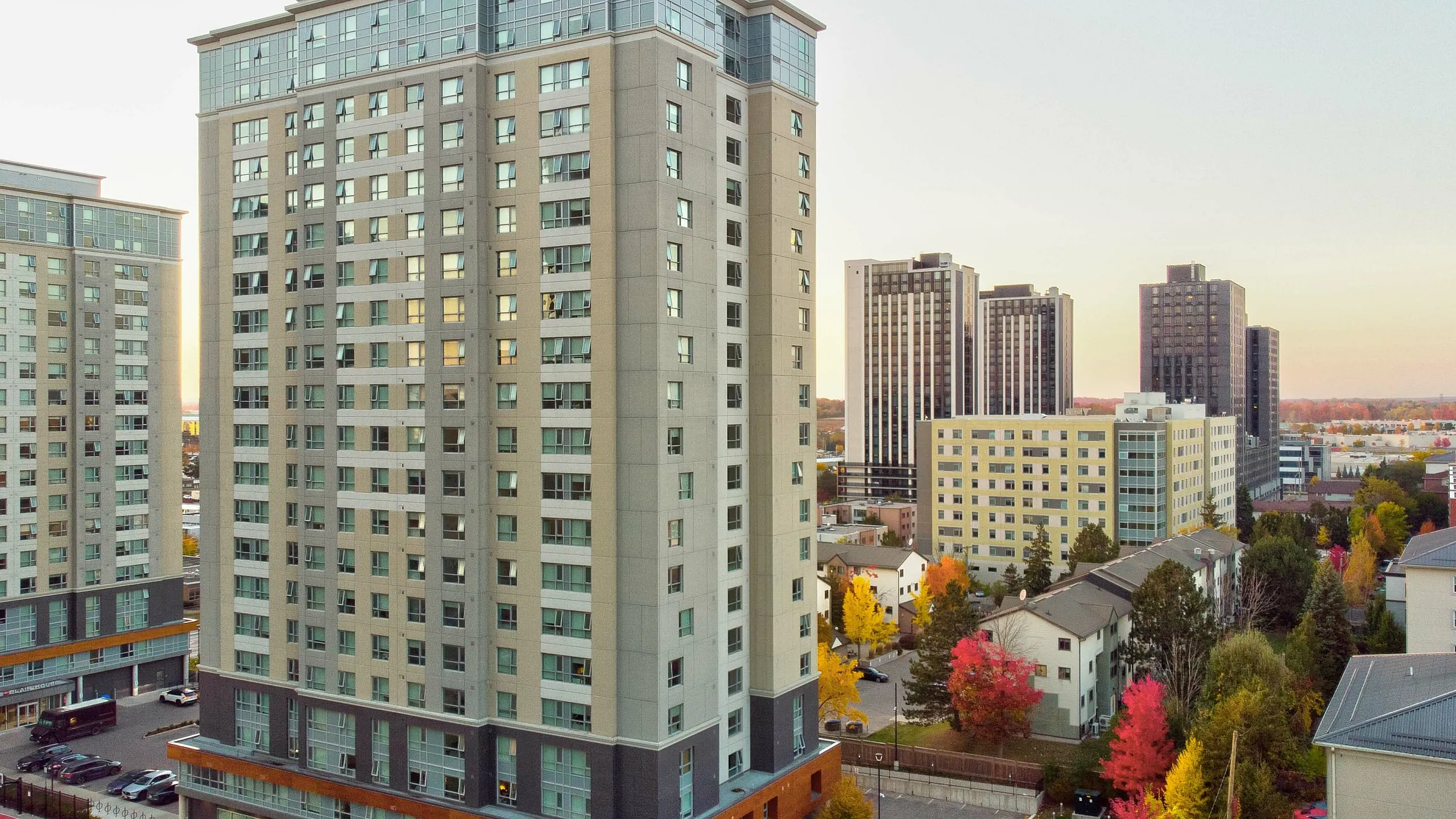
Student rental marketing occurs primarily online through platforms like Kijiji, Facebook Marketplace, student housing websites, and property management company listings. First impressions form from photos, making floor appearance disproportionately important.
Floor condition affects inquiry rates dramatically. Properties with clean, modern floors in listing photos generate 30-40% more inquiries than identical properties with worn, dated floors. This difference can be the margin between leasing in one week versus one month during competitive March-April season.
Professional first impressions come from quality flooring. Students and parents evaluating properties use floor condition as proxy for overall property management quality. Beautiful floors suggest a landlord who cares about maintenance. Worn floors suggest potential problems throughout the property.
Photography strategies that showcase floors:
Schedule photo shoots during daytime when natural light highlights flooring best. Morning light (9-11 AM) works particularly well.
Stage minimally or completely empty to feature floors prominently. Too much furniture hides the flooring you invested in showcasing.
Use wide-angle lenses that capture substantial floor area in each shot, demonstrating the continuous quality throughout the unit.
Include detail shots showing floor texture and finish up close. Many prospects want to see the specific product and quality level.
Highlight transitions and thresholds that are professionally finished rather than cheap or damaged.
Photography ROI:
Professional real estate photography costs $150-300 for a student rental property. This investment generates 2-3x more inquiries and reduces average time-to-lease by one to two weeks. On a property renting for $2,400 monthly, leasing one week faster saves $600—double the photography cost.
Three-dimensional virtual tours (Matterport is the leading platform) have become increasingly standard in competitive student housing markets. Virtual tours showcase floor continuity and quality throughout properties in ways static photos cannot match.
Virtual tour benefits include:
Prospects can “walk through” properties from anywhere, experiencing the flow and seeing how floors connect between rooms. This builds confidence before physical showings.
Floor quality is immediately apparent in virtual tours. There’s no hiding worn or damaged floors when prospects can zoom and explore interactively.
Premium positioning—properties with virtual tours signal professional management and quality standards, attracting better tenant prospects.
Time savings for landlords and property managers by reducing the number of physical showings needed. Serious prospects self-select after experiencing the virtual tour.
Cost: $200-400 per property for professional Matterport tour creation. This one-time expense creates an asset usable for multiple leasing cycles.
How you describe flooring in rental listings matters significantly to prospect perception and search algorithm visibility.
Ineffective language:
Effective language:
Key phrases that resonate with student renters and parents:
“Move-in ready with fresh, modern finishes” communicates that floors (and property overall) are in excellent condition requiring no immediate updates.
“Easy-care flooring throughout” appeals to students who don’t want high-maintenance rentals and parents who worry about damage charges.
“Water-resistant/waterproof floors in all areas” provides peace of mind about spill damage and moisture issues.
“Durable commercial-grade flooring” (when true) signals quality that will withstand student use.
Search optimization:
Include specific flooring types (“luxury vinyl plank” or “LVP”) in descriptions. Prospects increasingly search for specific flooring types, and including these terms improves listing visibility.
Mention “new flooring” and installation year to capitalize on search filters for recently renovated properties.
In Waterloo Region’s saturated student housing market, most properties compete on location and price. Quality flooring provides tangible differentiation that justifies premium positioning.
Properties with excellent floors lease faster during peak season—often within days versus weeks for comparable units with worn floors. This reduces vacancy risk and lost income.
Premium rental rates become justifiable when floors clearly exceed competitor standards. Students and parents willingly pay $50-100 per room monthly premium for properties that present well, including quality flooring.
Better quality tenants are attracted to well-maintained properties. Students serious about their living environment seek properties that reflect their standards, creating positive selection effects.
Lower damage rates occur with quality tenants who chose the property partially because of its excellent condition. This creates a virtuous cycle of better tenants, less damage, maintained property value, and continued ability to attract quality tenants.
Waterloo Region’s student housing market operates under specific dynamics that affect flooring decisions.
University cycles create predictable patterns. September move-ins dominate, with about 80% of student leases beginning September 1st. Winter sublets accommodate University of Waterloo’s co-op program, with many students seeking January-April housing while on co-op work terms. Summer sublets (May-August) occur at reduced rates when many students leave for summer break or co-op positions.
Competition intensity varies by property type and location. Near-campus properties compete primarily on location and can command premium rents despite modest finishes. Off-campus properties must compete on quality and value, making flooring quality more critical to competitiveness.
Purpose-built student housing with luxury amenities has raised tenant expectations across the market. Even older houses must maintain modern finishes including quality flooring to compete effectively.
Southwestern Ontario weather creates specific challenges for flooring in student rentals that landlords must anticipate.
Winter conditions bring salt, slush, and snow tracked inside from November through March. Road salt is particularly destructive—it’s tracked throughout properties and concentrates near entries. Student renters rarely use entrance mats effectively, spreading salt throughout units.
Spring mud season (March-April) coincides with peak leasing tours. Properties must withstand muddy conditions while looking fresh for showings. Floors that show dirt or moisture damage severely disadvantage marketing.
Temperature swings affect flooring expansion and contraction. Southwestern Ontario experiences 50+ degree temperature variations between winter and summer, causing dimensional changes in flooring materials. Proper installation with adequate expansion gaps prevents buckling and separation.
Humidity variations challenge flooring systems. Summer humidity promotes mold and moisture issues if properties lack adequate ventilation. Winter heating creates extremely dry conditions. Quality LVP handles these swings better than alternatives.
Climate-appropriate solutions:
Heavy-duty entry mat systems at all doors absorb salt and moisture before it spreads. Consider providing substantial mats as property amenities.
Darker floor colors hide salt staining and mud residue better than light colors. Medium-to-dark browns and grays are optimal.
Proper expansion gaps (3/8 inch rather than minimum 1/4 inch) accommodate seasonal dimensional changes.
Annual spring cleaning after winter removes accumulated salt and grime, restoring appearance for summer turnover.
Professional property management companies like Blackline Management benefit from standardized flooring strategies across portfolios.
Standardizing on LVP throughout portfolios simplifies inventory management. One product type means maintaining one spare plank inventory, one set of cleaning protocols, one contractor relationship.
Bulk purchasing power reduces costs substantially when installing flooring across multiple units annually. Contractors offer 10-20% discounts for multi-property commitments.
Consistent quality improves brand reputation in competitive student market. Properties managed by companies known for quality attract better tenants.
Faster turnover between tenants occurs with LVP versus carpet. Eliminating carpet cleaning delays and odor concerns shaves days off turnover periods during critical summer rush.
Reduced maintenance calls throughout lease terms improve tenant satisfaction and reduce property manager workload.
Choosing local Cambridge, Kitchener, or Waterloo contractors provides advantages for student rental flooring projects.
Local contractors understand student housing demands and timing requirements. They’re experienced with the May-August installation rush when every landlord needs work completed.
Availability during critical windows is better with local contractors focused on regional student housing market rather than contractors serving broader markets with different seasonal patterns.
Familiarity with older home challenges matters in Waterloo Region where many student rentals occupy houses built 1960s-1990s. These homes have subfloor issues that experienced local contractors anticipate and handle efficiently.
Competitive pricing reflects absence of travel premiums. Local contractors quote true project costs without padding for distance or unfamiliarity with area.
Emergency repair response is realistic only with local contractors. When flooring damage occurs mid-lease requiring urgent repair, local contractors can respond same-day or next-day rather than scheduling around long-distance travel.
Student rental properties in Waterloo Region demand flooring solutions that balance competing priorities: durability to withstand extraordinary abuse, cost-effectiveness to preserve thin profit margins, aesthetic appeal to compete in visual marketing, and maintenance simplicity to reduce operational burden.
The flooring choice matters far more in student housing than traditional residential applications because the consequences of poor decisions compound through annual tenant turnover, concentrated damage, and competitive leasing pressures. Choose poorly and you’ll face constant repairs, premature replacement, marketing disadvantages, and reduced profitability. Choose wisely and flooring becomes an asset that enhances property value, attracts quality tenants, and delivers exceptional return on investment.
The analysis presented throughout this guide points consistently toward one optimal solution for 90% of student rental applications: luxury vinyl plank (LVP) installed throughout the property. LVP’s combination of 15+ year lifespan, complete waterproof protection, scratch resistance, aesthetic versatility, and reasonable cost creates unmatched value in the demanding student rental environment.
While initial LVP costs exceed cheaper alternatives like carpet or basic laminate, lifecycle cost analysis proves LVP delivers annual costs one-third to one-half that of budget options. Factor in avoided vacancy costs from superior marketing presentation, maintained rental premiums from quality appearance, and reduced maintenance burden, and LVP’s economic advantage becomes overwhelming.
For budget-conscious landlords, the hybrid approach of LVP in common areas and moisture-prone spaces with quality laminate in bedrooms only creates acceptable compromise. This strategy saves initial costs while protecting the highest-risk areas where flooring failure is most likely and most expensive.
The student rental market in Cambridge, Kitchener, and Waterloo will continue evolving with rising tenant expectations influenced by purpose-built student housing featuring premium finishes. Properties that maintain competitive positioning through strategic infrastructure investments including quality flooring will capture and retain the best tenants at optimal rates. Those that defer flooring investment or choose cheap solutions will face accelerating competitive disadvantage as the market matures.
For property owners and managers in Waterloo Region’s student housing market, the flooring decision represents a critical choice point that affects property economics for years. The upfront investment in quality flooring—specifically LVP throughout or LVP/laminate hybrid—pays consistent dividends through reduced ownership costs, enhanced marketability, and preserved property value over time.
Make the right choice once, and your floors will survive dozens of students and deliver positive returns throughout the property’s student rental lifecycle. Make the wrong choice, and you’ll be replacing floors repeatedly while wondering why your competitor’s property leases faster at higher rates.
Managing student rental properties in Waterloo Region?
Contact Club Ceramic Cambridge for expert consultation on durable flooring solutions designed specifically for the demanding student housing environment near University of Waterloo and Wilfrid Laurier University.
Our Cambridge location serves property managers, landlords, and real estate investors throughout Waterloo Region with:
Call: (647) 394-6030
Visit: clubceramiccambridge.ca
Serving: Cambridge, Kitchener, Waterloo, and Guelph student rental properties
Club Ceramic Cambridge specializes in flooring solutions for investment properties and property management companies operating in Waterloo Region’s competitive student housing market. We help landlords make informed decisions that balance initial investment with long-term performance, ensuring your flooring contributes to profitability rather than draining it through premature failure and constant replacement.