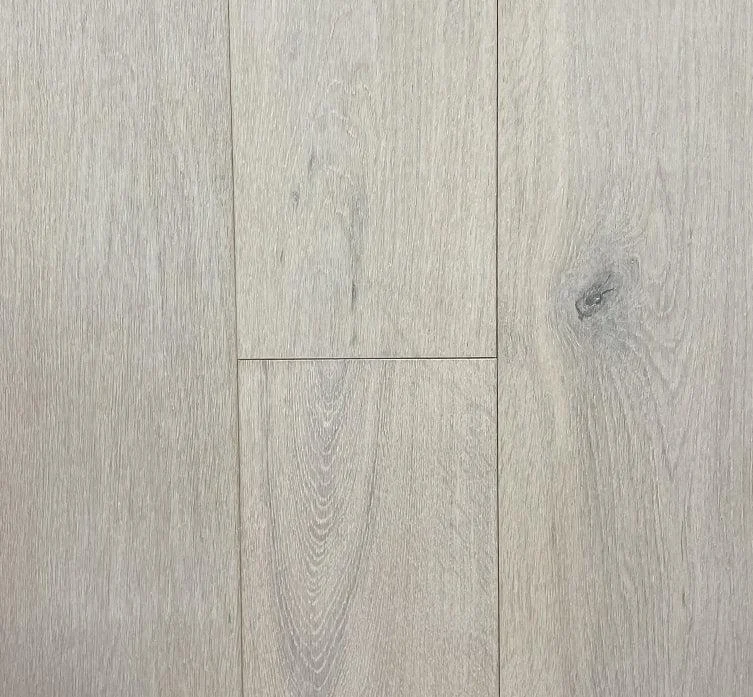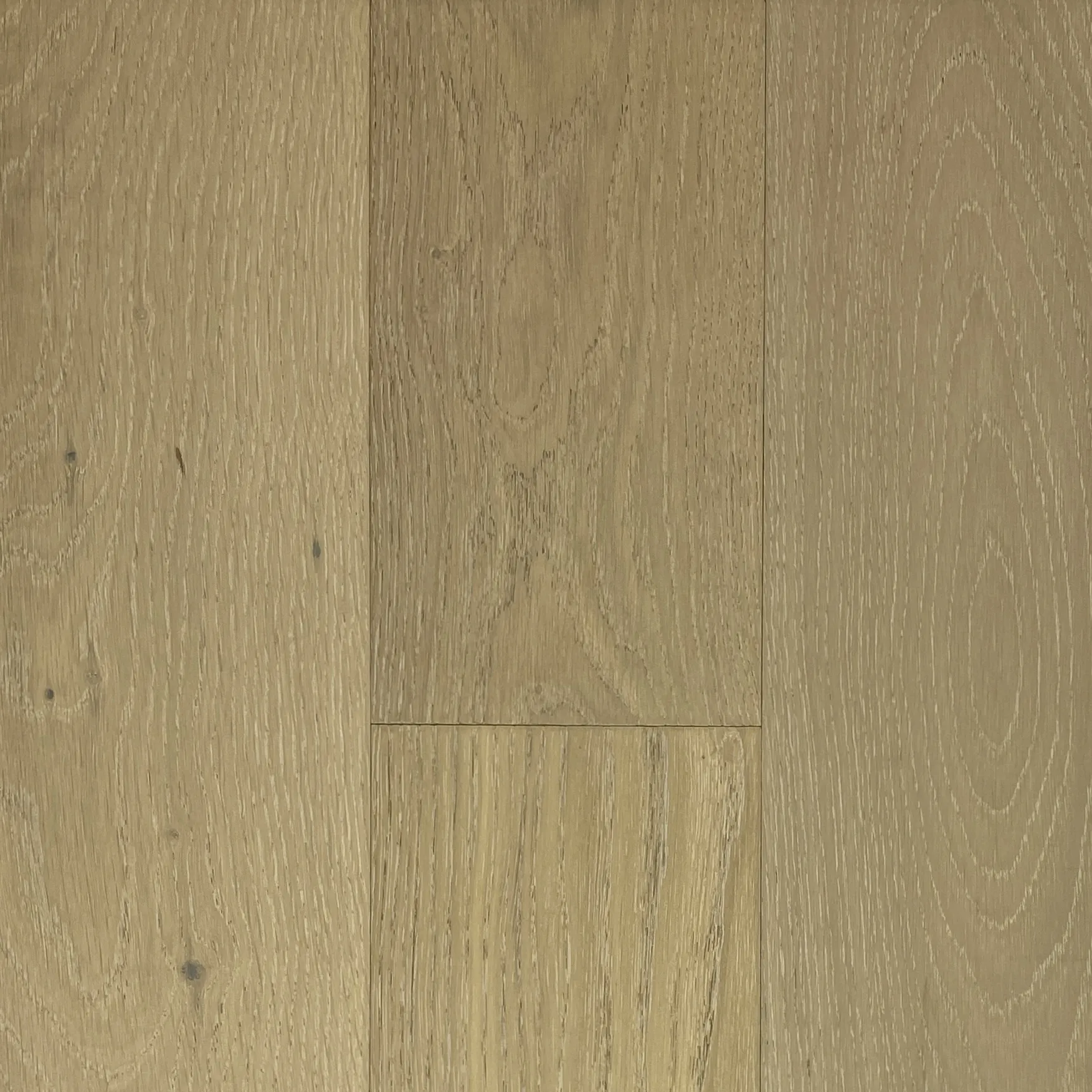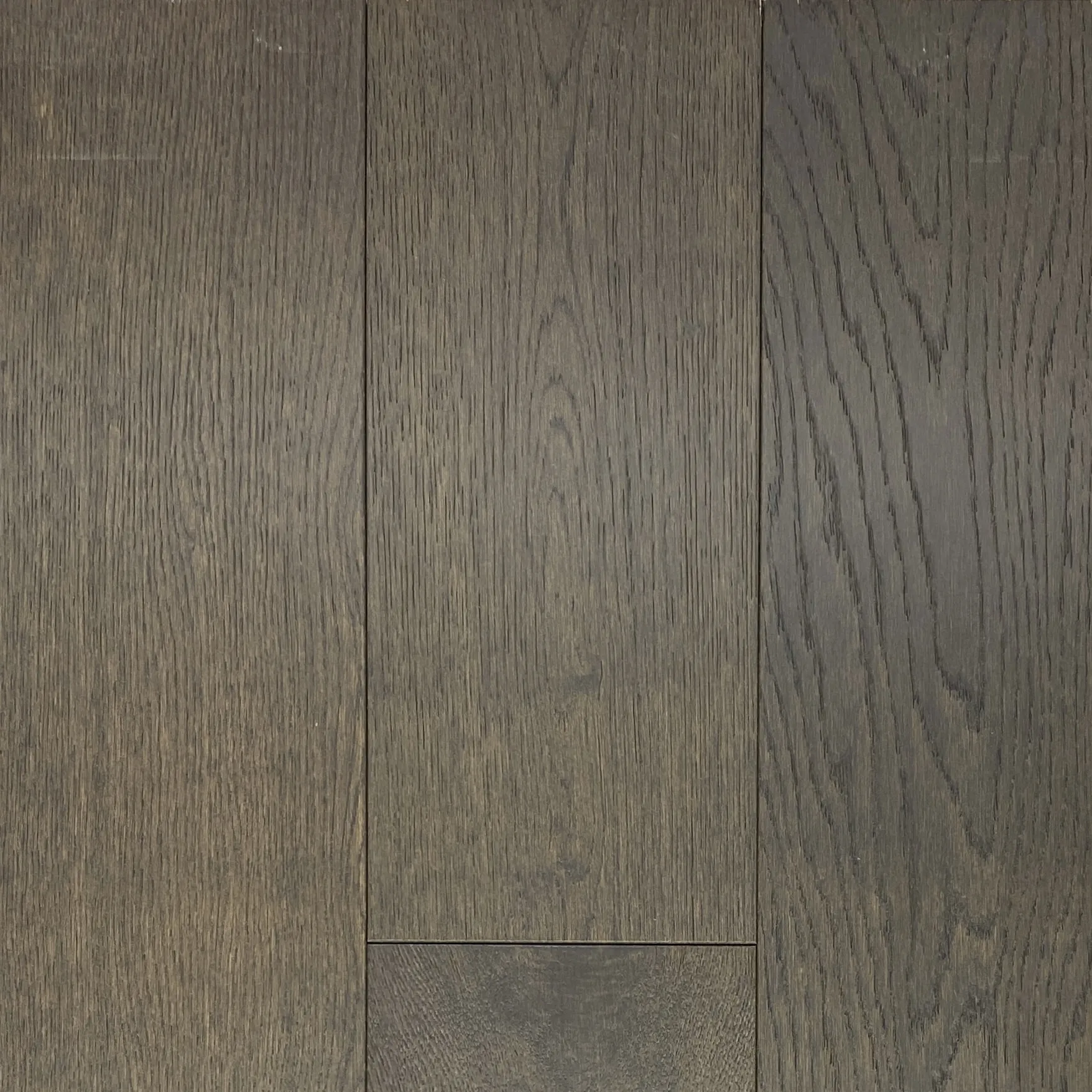

Welcome to Club Ceramic Cambridge — your trusted partner for complete premium flooring options in Cambridge, Kitchener, Waterloo, Guelph, and surrounding areas.
Horse-drawn buggies still clip past century-old farmhouses along the quiet country roads north of Waterloo. In St. Jacobs and the surrounding townships, Pennsylvania German settlers built homes in the early 1800s that stand today as testaments to craftsmanship and durability. These heritage properties in Waterloo Region’s Mennonite Country aren’t just historical curiosities—they’re active real estate opportunities attracting buyers, investors, and families who want character homes with modern comfort.
But here’s the challenge: How do you preserve the authentic charm of an 1850s Mennonite farmhouse while meeting 2025 building codes, moisture requirements, and buyer expectations? The answer often starts with what’s underfoot.
This guide is for heritage home buyers preparing for renovations, real estate investors converting farmhouses into rental properties, agents selling character homes, and stagers preparing historic listings. Whether you’re restoring original wide-plank pine or installing period-appropriate engineered hardwood, understanding the unique flooring needs of Mennonite Country properties will save you time, money, and help you avoid costly warranty claims.
Working on a new home project? Call now for a free estimate: (647) 394-6030
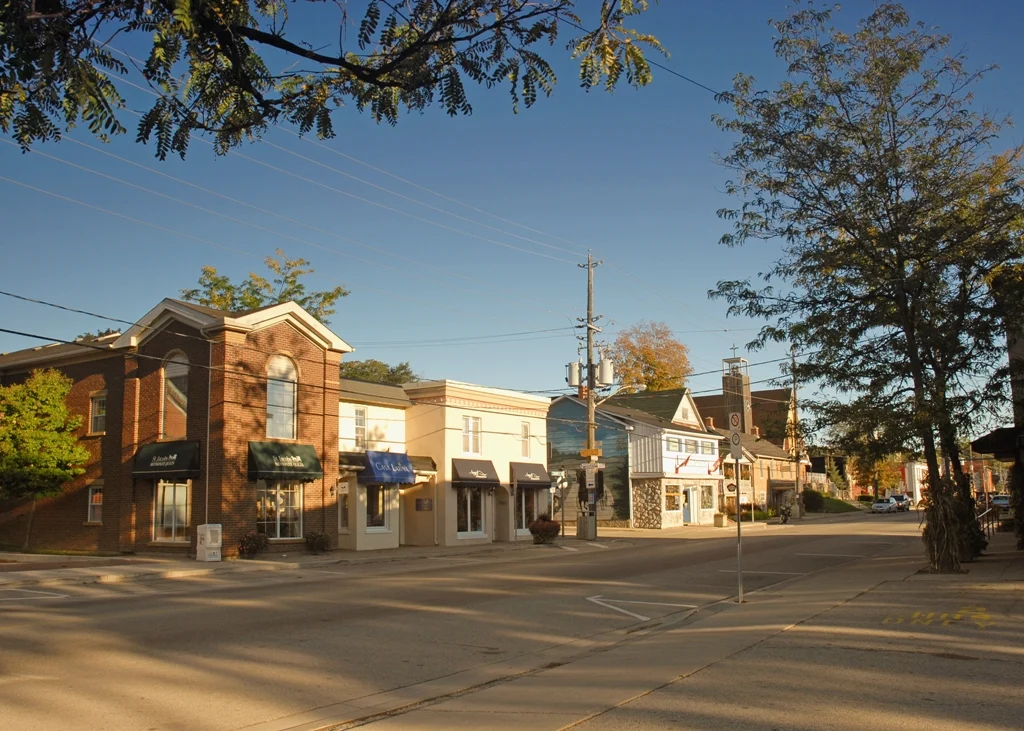
Mennonite settlers brought Pennsylvania German building traditions to Waterloo Region in the early 1800s. These homes share distinct characteristics that impact flooring decisions today:
Common structural features:
Original flooring materials: The early builders used locally available Eastern white pine, oak, and maple. These wide planks were milled on-site or at local sawmills, often showing circular saw marks, knots, and natural character that modern buyers find appealing. Unlike today’s narrow 2-3 inch strips, original boards could span the width of a room in just 3-4 planks.
Heritage properties cluster in specific Waterloo Region communities:
St. Jacobs and Woolwich Township – Home to Canada’s largest year-round farmers’ market and concentrated Old Order Mennonite population. Properties here range from original farmhouses to converted barns.
Elmira and area – Mix of heritage residential and agricultural properties with strong Mennonite heritage influence.
Wellesley Township – Rural character with authentic farmsteads, many still actively farmed by Mennonite families.
West Montrose (Covered Bridge area) – Tourist appeal combines with heritage charm, making these properties attractive for Airbnb conversions.
These areas matter for real estate because they offer something increasingly rare: authentic heritage character within 15 minutes of Kitchener-Waterloo’s urban amenities, universities, and tech sector jobs. Buyers pay premium prices for this combination of history and convenience.
Every heritage home renovation faces similar flooring obstacles:
Uneven subfloors – After 100+ years of settlement, few heritage homes have level floors. You’ll find dips, slopes, and variations that make modern flooring installation challenging.
Moisture issues – Stone foundations were built without vapor barriers. Basements and crawl spaces can have persistent dampness that destroys wood flooring if not properly addressed.
Original floor damage – Decades of wear, water damage from roof leaks, or previous bad repairs often leave original floors beyond restoration.
Code compliance vs. preservation – Meeting Ontario Building Code requirements while maintaining historical character requires careful planning and expertise.
Not every old floor deserves restoration. Here’s how to make an informed decision.
Restore if:
Wide-plank pine floors in good condition are worth restoring. They’re irreplaceable and add significant value to heritage properties. Buyers specifically shopping for character homes expect to see original features preserved where possible.
Replace if:
Don’t let emotional attachment to “original” materials compromise safety or create future warranty issues. A properly installed period-appropriate replacement can maintain heritage character while providing modern performance.
Species identification matters:
Check nail patterns: Square-cut nails indicate pre-1900 construction and have historical significance. Document these before removal—some buyers and heritage designation committees care about this detail.
Count the finish layers: Sand one small area to bare wood and count the finish coats. Multiple thick polyurethane layers suggest the floor has been refinished several times and may be too thin for another sanding.
Inspect the subfloor: From the basement or crawl space, check floor joists for:
Stone foundations in Mennonite-era homes were built without modern dampproofing. This creates persistent moisture challenges that will destroy wood flooring if ignored.
Required moisture testing:
Many heritage home flooring failures happen because installers skip moisture testing, assuming “the floor was fine for 100 years.” Historical flooring often survived because houses were drafty and uninsulated. Once you add modern HVAC and seal the building envelope, moisture that previously escaped through gaps now concentrates under new flooring.
Some Waterloo Region properties carry heritage designation under the Ontario Heritage Act. Before starting flooring work:
Heritage designation doesn’t mean you can’t renovate—it means you need to show you’ve considered preservation options and chosen appropriate replacement materials when originals can’t be saved.











Matching the era and character of your Mennonite Country home requires understanding what looks authentic versus what screams “2024 renovation.”
Why it works: Wide planks (6-10 inches) match the proportions and scale of original 1800s flooring. They create visual flow and make rooms feel larger—exactly what original builders intended.
Modern options available:
Installation details for authentic look:
Cost consideration: $8-15 per square foot installed depending on species and finish
Best applications: Main floor living rooms, dining rooms, bedrooms, and hallways where the heritage character should shine
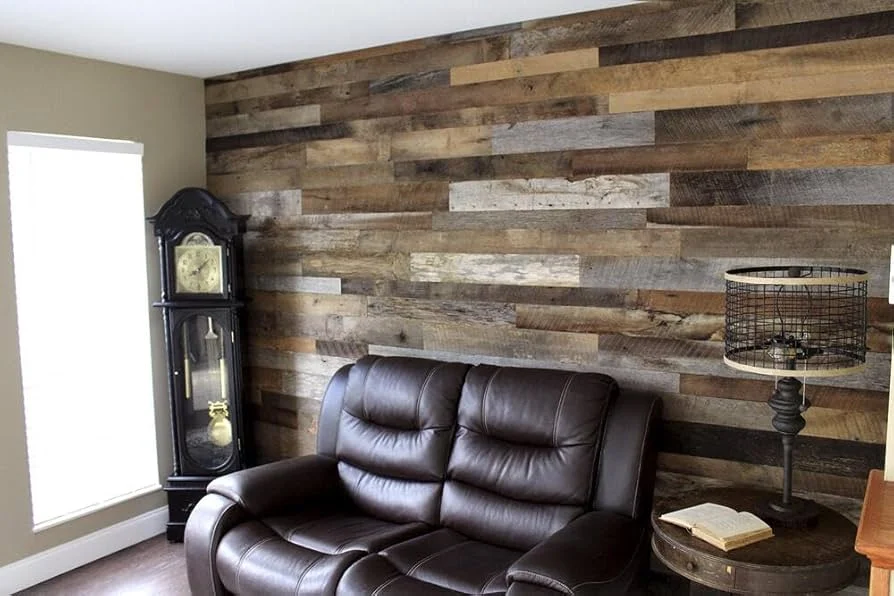
For the purist seeking genuine historical material, reclaimed barnwood from demolished Mennonite barns offers unmatched authenticity.
Advantages:
Challenges:
Cost: $12-20 per square foot installed
Best applications: Feature walls in living areas, accent flooring in small spaces, or in one special room where the story of the reclaimed wood adds value. Using reclaimed barn wood throughout an entire home is typically cost-prohibitive and unnecessary.
For heritage homes with challenging moisture conditions or structural issues, engineered hardwood offers the best balance of authentic appearance and modern performance.
Why experts recommend it:
Achieving heritage look with engineered products:
Cost: $6-12 per square foot installed
Best applications: Basements over concrete, kitchens where spills are likely, additions attached to original homes, and investment properties where durability matters as much as aesthetics
Certain modern flooring choices instantly destroy heritage character:
❌ Laminate flooring – Looks cheap, photographs poorly for listings, and tells buyers you cut corners. Heritage home buyers specifically seek authentic materials.
❌ High-gloss polyurethane finishes – Screams “2024 flip” and looks out of place against original trim, doors, and built-ins.
❌ Grey-washed or whitewashed floors – This Instagram trend contradicts Pennsylvania German aesthetics and will date your renovation.
❌ Narrow 2-3 inch plank strips – Standard modern flooring proportions look wrong in rooms originally designed for 8-12 inch planks.
❌ Perfectly uniform coloring – Heritage wood showed natural variation. Avoid overly consistent, factory-perfect appearance.
Authentic Mennonite homes featured natural wood tones or simple oil finishes that darkened over time:
Historically accurate colors:
Modern equivalents:
Match your floor stain to existing original woodwork (stair railings, door frames, built-in cabinets) for cohesive heritage character.
The foundation of any good flooring installation is what you can’t see—and old homes present unique subfloor challenges.
Uneven joists: Hand-hewn timber beams are rarely uniform. You’ll find variations in spacing (14″, 18″, 24″ on center), depth, and levelness. Modern flooring products assume consistent 16″ joist spacing.
Missing subfloor: Many original homes laid wide plank flooring directly on joists with no plywood subfloor layer. This works for solid wood but fails with modern engineered products that need continuous support.
Settlement and movement: 150 years of seasonal expansion, contraction, and foundation settling creates squeaks, dips, and movement that modern flooring installation can’t tolerate.
Insect damage: Powder post beetles and carpenter ants favor old, dry wood. Check joists carefully—small round holes indicate active or past infestation requiring treatment before new flooring.
You can address subfloor issues without destroying original structural elements:
Self-leveling compound: For variations under 1/2 inch, self-leveling underlayment creates a flat surface over uneven boards. Works well when original subfloor is sound but not level. Don’t use for major structural issues.
Sistering joists: Attach new dimensional lumber alongside original hand-hewn beams to reinforce without replacement. Maintains visible heritage beams from below while adding modern structural support.
Plywood subfloor overlay: Install 3/4″ tongue-and-groove plywood over original boards to create proper subfloor for engineered flooring. Adds height (consider door clearances) but solves multiple problems at once.
Acoustic underlayment: In converted multi-unit heritage properties, acoustic foam or cork underlayment reduces sound transmission between floors while providing cushioning over minor imperfections.
Ontario Building Code requires specific floor deflection limits and structural capacity. Heritage homes often don’t meet modern standards, creating a dilemma.
Code requirements for floor systems:
Strategies for compliance:
Vapor barriers in below-grade spaces: Stone foundation basements require careful moisture management. Install 6-mil polyethylene vapor barrier over basement concrete before any wood product installation. This prevents moisture wicking from concrete into flooring.
Not every flooring contractor understands old construction. DIY attempts on heritage homes often create expensive problems.
Questions to ask potential contractors:
Red flags indicating inexperience:
Most heritage homes in Mennonite Country are resale properties without new home warranties. However, Tarion coverage applies in specific situations that heritage home buyers should understand.
Renovated and flipped properties: If a builder purchases a heritage home, substantially renovates it, and resells within the enrollment period, Tarion enrollment may be required. This affects investors and flippers in the heritage home market.
New additions: Adding square footage to a heritage home (second story addition, attached garage conversion) may trigger Tarion requirements for the new construction portion.
Secondary suites: Converting single-family heritage homes into legal duplexes or adding basement apartments often requires Tarion coverage for the suite conversion.
Understanding typical flooring defects helps you avoid them:
Squeaky floors (30-day warranty item):
Moisture damage and cupping (1-year warranty):
Lippage at transitions (1-year defect if over 3mm):
Visible seams and poor pattern alignment (reputation damage, not always warranty):
Follow these steps to avoid warranty claims and callbacks:
For comprehensive guidance on preventing the five most common flooring warranty defects, including detailed Tarion standards and installation best practices, see the Builder’s Guide to Preventing Common Flooring Warranty Claims.
Heritage home flooring choices directly impact marketability and sale prices in Waterloo Region’s competitive real estate market.
Real estate agents report that heritage home buyers specifically seek:
Character preservation – Original features like wide-plank floors, exposed beams, and built-in cabinetry are primary selling points, not obstacles to overcome.
Modern functionality – Updated but not trendy. Buyers want homes that honor the past while meeting contemporary comfort standards.
Low maintenance solutions – Engineered hardwood often outperforms solid wood for buyers who want character without constant refinishing needs.
Move-in ready condition – Staged properties with completed flooring renovations sell faster and for higher prices than “investment opportunity” fixer-uppers.
Based on Waterloo Region market data:
Highest ROI: Wide plank hardwood (6-9″ width) in natural to medium brown tones returns 75-100% of installation cost at resale when properly installed and staged.
Neutral stains appeal broadly: Honey, natural oak, and medium brown finishes attract the widest buyer pool. Avoid dark espresso or grey trends that date the renovation.
Original restored floors: When executed well, professionally restored original floors command premium prices, especially in St. Jacobs and Elmira areas where heritage character is most valued.
Poor ROI choices: Laminate flooring, builder-grade narrow strips, and trendy finishes (grey, whitewashed) add minimal value and may deter serious heritage home buyers.
Professional stagers emphasize flooring in heritage property marketing:
Showcase restored floors:
Strategic area rug placement:
Lighting matters:
Heritage properties in Mennonite Country serve different investment strategies:
Student rentals near St. Jacobs: Prioritize durability over perfect authenticity. Engineered hardwood with strong wear layers outperforms solid wood in high-traffic rental situations.
Airbnb and vacation rentals: Character flooring justifies premium nightly rates. Travelers specifically book heritage properties for the experience—showcase original or period-appropriate floors in listing photos.
Long-term residential rentals: Balance installation cost against expected returns. Mid-range engineered hardwood in appropriate widths and finishes provides character without luxury price points.
Flip projects: Focus on neutral, broadly appealing choices that photograph well. Wide-plank engineered oak in natural or honey tones works across buyer demographics.
Waterloo Region real estate agents familiar with heritage properties provide valuable guidance:
Questions agents can answer:
Inspection red flags agents identify:
Connect with agents who specialize in heritage properties and understand the unique value propositions of Mennonite Country real estate. They can guide flooring investment decisions based on actual local market performance.
Heritage home flooring isn’t something to trust to any contractor with a nail gun. Local expertise makes the difference between a successful renovation and an expensive do-over.
Understanding of regional architecture: Contractors familiar with Waterloo Region heritage homes recognize Pennsylvania German building techniques, common issues with 1800s construction, and appropriate solutions that respect the original structure.
Relationships with local building officials: Experienced local contractors know which inspectors will require engineering reports, what renovations need permits in heritage zones, and how to navigate township-specific requirements.
Access to reclaimed materials: Cambridge and Waterloo Region contractors have connections to salvage yards, barn demolition projects, and sources for authentic reclaimed wood from local heritage structures.
Fast response for time-sensitive projects: Real estate staging and flip timelines don’t allow for delays. Local contractors can respond quickly when listings need flooring completed before photography.
Club Ceramic Cambridge specializes in flooring solutions for heritage properties throughout Waterloo Region, including St. Jacobs, Elmira, Woolwich Township, and Cambridge’s own historic neighborhoods.
Our heritage property services:
We understand the difference between an 1850s Mennonite farmhouse and a 1920s Berlin-era townhome, and can recommend solutions that honor both history and your lifestyle needs.
For heritage home renovations in Waterloo Region: Call (647) 394-6030 for a consultation on period-appropriate flooring solutions, or visit clubceramiccambridge.ca to explore our portfolio of heritage home projects.
Mennonite Country heritage homes represent more than real estate investments—they’re living connections to Waterloo Region’s founding families and architectural traditions. The wide-plank pine floors in an 1840s farmhouse near St. Jacobs witnessed generations of family life, seasonal harvests, and the gradual transformation of rural Ontario.
When you choose flooring for a heritage property, you’re making decisions that either honor that history or erase it. The right choices preserve character while providing modern performance, moisture resistance, and durability that meets contemporary building standards.
Key principles for heritage home flooring success:
Test thoroughly before installation – Moisture issues from stone foundations will destroy even the most beautiful flooring if ignored.
Choose period-appropriate proportions – Wide planks (6″ or greater) match original aesthetics and satisfy heritage home buyers’ expectations.
Balance authenticity with practicality – Engineered hardwood can provide heritage character with better performance than solid wood in challenging environments.
Work with experienced professionals – Heritage homes punish shortcuts and DIY experimentation. Invest in contractors who understand old construction.
Consider your end goal – Are you creating a forever home, preparing a listing for sale, or converting an investment property? Different objectives require different flooring strategies.
The heritage properties scattered throughout St. Jacobs, Elmira, Wellesley, and Woolwich Township won’t last forever without careful stewardship. When you invest in proper flooring restoration or period-appropriate installation, you’re not just updating a house—you’re preserving a piece of Ontario’s Mennonite heritage for the next generation of families who will call these special homes their own.
Planning a heritage home renovation in Waterloo Region?
Contact Club Ceramic Cambridge for a free consultation on period-appropriate flooring solutions that preserve character while meeting modern performance standards.
Call: (647) 394-6030
Visit: clubceramiccambridge.ca
Serving: Cambridge, Kitchener, Waterloo, St. Jacobs, Elmira, and all of Waterloo Region
Club Ceramic Cambridge – Where heritage meets craftsmanship